A BROKEN HEART GOD WILL NEVER REJECT
“Create in me a clean heart, O God; and renew a right spirit within me.” — Psalm 51:10
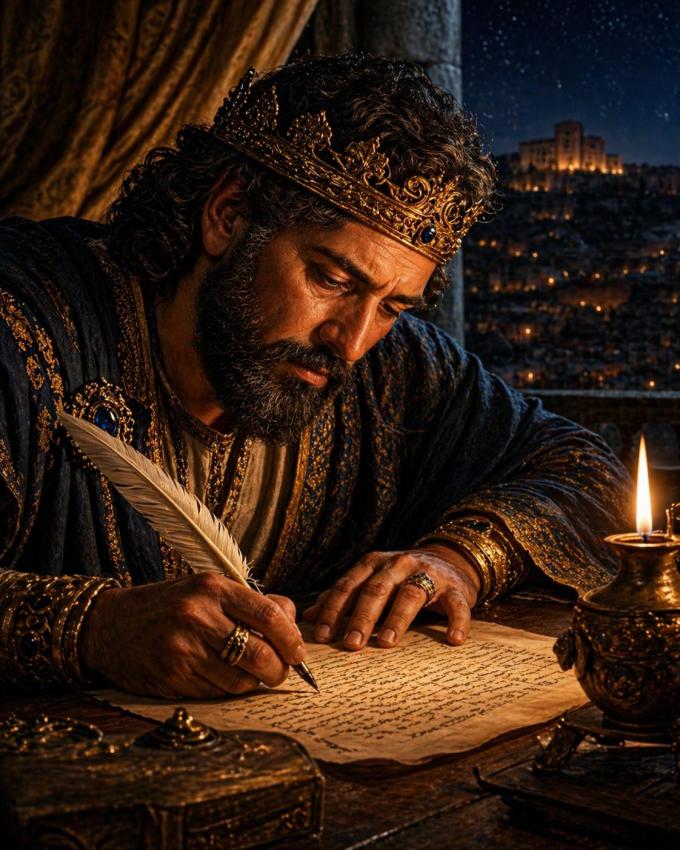
Psalm 51 is not the prayer of a perfect man. It is the cry of a broken man who finally realized that sin had damaged his fellowship with God. David, once celebrated as a mighty king and fearless warrior, stood before God with no excuses left, no pride remaining, and no strength to hide behind. He understood that titles cannot cover sin, and success cannot replace repentan... moreA BROKEN HEART GOD WILL NEVER REJECT
“Create in me a clean heart, O God; and renew a right spirit within me.” — Psalm 51:10
Psalm 51 is not the prayer of a perfect man. It is the cry of a broken man who finally realized that sin had damaged his fellowship with God. David, once celebrated as a mighty king and fearless warrior, stood before God with no excuses left, no pride remaining, and no strength to hide behind. He understood that titles cannot cover sin, and success cannot replace repentance.
This Psalm was written after David fell into sin with Bathsheba and after the prophet Nathan confronted him. In that painful moment, David discovered something powerful: conviction is not meant to destroy us; it is meant to bring us back to God. Many people run from God after failure, but David ran toward Him with tears, honesty, and surrender.
David began by crying out, “Have mercy upon me, O God.” He did not appeal to his achievements, victories, or reputation. He appealed to mercy. That is the beauty of God’s grace. Mercy reaches people when they have nothing left to offer except a repentant heart. God’s love is so deep that even broken people can still find restoration in His presence.
Too many people today carry hidden guilt, secret shame, and silent regret. They smile publicly while fighting private battles internally. But Psalm 51 reminds us that God is not searching for flawless people; He is searching for honest hearts willing to surrender completely before Him. The door of grace is still open for those who truly repent.
David understood that sin does more than damage a reputation; it wounds the soul. That is why he prayed for cleansing. He said, “Wash me thoroughly from mine iniquity, and cleanse me from my sin.” He knew only God could purify what sin had corrupted. Real transformation begins when people stop pretending and start confessing.
There are moments when God allows conviction to shake us because He loves us too much to leave us spiritually dying. Conviction is proof that God is still calling us back. A hardened heart ignores correction, but a heart touched by God responds with humility and repentance.
Psalm 51 teaches us that repentance is not merely feeling sorry; it is a complete turning back to God. Many people regret consequences, but true repentance grieves the separation from God caused by sin. David did not only want forgiveness; he wanted restored intimacy with the Lord again.
This is why David cried, “Create in me a clean heart, O God.” He realized behavior changes alone were not enough. He needed inward transformation. Only God can renew a heart that has been poisoned by sin, pride, bitterness, lust, or rebellion. Heaven specializes in restoring what darkness tried to destroy.
Joel 2:13 blends beautifully with this message: “Rend your heart, and not your garments, and turn unto the Lord your God: for he is gracious and merciful.” God has always desired genuine repentance over outward religious performance. He looks beyond appearances and examines the condition of the heart.
One of the most heartbreaking lines in Psalm 51 is when David says, “Cast me not away from thy presence.” David understood something many people overlook today: the greatest loss is not wealth, power, or influence — the greatest loss is losing intimacy with God. Nothing in this world can replace the peace found in His presence.
Yet even inside this painful prayer, hope still shines brightly. David knew God was not only holy; He was also compassionate. The same God who convicts also restores. The same God who exposes sin also heals broken souls. Grace is powerful enough to rebuild a person after failure.
Isaiah 1:18 speaks directly into this truth: “Though your sins be as scarlet, they shall be as white as snow.” This is the miracle of redemption. God does not merely cover sin temporarily; He cleanses completely. The blood of God’s mercy reaches deeper than human failure.
David eventually reached a place where worship returned to his heart again. Brokenness became the pathway back to intimacy with God. Sometimes God must break pride before He can rebuild purpose. Sometimes tears become the beginning of restoration. A surrendered heart is never ignored by heaven.
Psalm 51 remains powerful because it reminds every generation that nobody is beyond God’s mercy. No failure is too great, no mistake is too dark, and no person is too far gone for the grace of God. When repentance is real, restoration is possible. God still heals hearts, restores souls, renews spirits, and gives broken people a brand new beginning.
✠1SGT Dinah Scivoletti✠
✠Joan of Arc Priory✠
✠✠Act and God will Act (Actus et Deus Act)✠✠