📖 WHAT THE HOLY SPIRIT DOES IN THE BELIEVER
12 Works of the Holy Spirit in the Dispensation of Grace
Key Texts: Ephesians 1:13–14; Romans 8:9–16; 1 Corinthians 12:13; Galatians 5:22–25
“In whom ye also trusted, after that ye heard the word of truth, the gospel of your salvation: in whom also after that ye believed, ye were SEALED with that holy Spirit of promise.” — Ephesians 1:13 KJV
🔥 INTRODUCTION — THE HOLY SPIRIT'S WORK UNDER GRACE
There is much confusion today concerning the ministry o... more📖 WHAT THE HOLY SPIRIT DOES IN THE BELIEVER
12 Works of the Holy Spirit in the Dispensation of Grace
Key Texts: Ephesians 1:13–14; Romans 8:9–16; 1 Corinthians 12:13; Galatians 5:22–25
“In whom ye also trusted, after that ye heard the word of truth, the gospel of your salvation: in whom also after that ye believed, ye were SEALED with that holy Spirit of promise.” — Ephesians 1:13 KJV
🔥 INTRODUCTION — THE HOLY SPIRIT'S WORK UNDER GRACE
There is much confusion today concerning the ministry of the Holy Spirit. Some measure spirituality by tongues, visions, physical sensations, emotional experiences, miraculous signs, or spectacular manifestations.
But in a Dispensational reading, our doctrine and practice for the Body of Christ must be established especially from the revelation given through Paul, the apostle of the Gentiles.
📖 Romans 11:13
“For I speak to you Gentiles, inasmuch as I am the apostle of the Gentiles…”
During Israel's prophetic program, the Holy Spirit manifested Himself in ways connected with Israel's signs and kingdom expectations. But Paul reveals tremendous spiritual operations concerning the believer today: indwelling, sealing, baptizing into the Body, strengthening the inner man, producing fruit, and illuminating spiritual truth.
Therefore, we must distinguish between what the Spirit did in different dispensational settings and what Scripture teaches concerning His operation in the Body of Christ today.
The Spirit's ministry is not primarily about making us feel something spectacular.
It is about making God's truth work effectually in us.
📖 1 Thessalonians 2:13
1️⃣ CONVICTS — THE SPIRIT REVEALS MAN'S NEED FOR CHRIST
📖 John 16:8–11; Romans 3:19–23
John 16 belongs contextually to Christ's earthly ministry and His instruction to the disciples, so we should not simply transfer every detail without right division. Yet the passage clearly demonstrates the Spirit's relationship to truth concerning sin, righteousness, and judgment.
A. CONFRONTS Sin
📖 Romans 3:23
“For all have sinned, and come short of the glory of God.”
The Spirit never leads a sinner to confidence in himself. God's Word exposes man's guilt.
B. CRUSHES Self-Confidence
📖 Romans 3:19
Every mouth is stopped before God.
Religion says, “I am good enough.”
Scripture says, “There is none righteous.” — Romans 3:10.
C. CENTERS Attention on Christ
📖 1 Corinthians 15:1–4
The answer to sin is not self-reformation but Christ's death, burial, and resurrection.
🔥 PREACHING LINE:
THE SPIRIT DOES NOT MAGNIFY THE SINNER'S GOODNESS—HE DIRECTS US TO CHRIST'S SUFFICIENCY.
2️⃣ CONVERTS — THE SPIRIT GIVES SPIRITUAL LIFE
📖 Titus 3:5–7
Paul writes:
“…according to his mercy he saved us, by the washing of regeneration, and renewing of the Holy Ghost.”
A. REGENERATION Is Spiritual
📖 Titus 3:5
Salvation is not merely joining a denomination or reforming bad habits. God performs an inward spiritual work.
B. RENEWAL Is Supernatural
The verse says:
“…renewing of the Holy Ghost.”
The saved person has a new position and new spiritual life in Christ.
📖 2 Corinthians 5:17
C. RIGHTEOUSNESS Is by Grace
📖 Titus 3:7
“That being justified by his grace…”
Regeneration is not earned by religious works.
🔥 PREACHING LINE:
THE GOSPEL DOES NOT MERELY MAKE BAD PEOPLE BETTER; GOD GIVES THE BELIEVER NEW LIFE IN CHRIST.
3️⃣ BAPTIZES — THE SPIRIT PLACES US INTO THE BODY OF CHRIST
📖 1 Corinthians 12:13; Romans 6:3–4
This is one of the most important truths in a Dispensational understanding.
A. BAPTISM Is Spiritual
📖 1 Corinthians 12:13
“For by one Spirit are we all baptized into one body…”
This baptism is performed by the Spirit, not by a human minister with water.
B. BODY Is the Destination
We are baptized:
“…into one body…”
The Spirit identifies the believer with the Body of Christ.
📖 Ephesians 1:22–23
C. BELIEVERS Are United
“…whether we be Jews or Gentiles…”
Our spiritual unity is not created by denominational membership or water ceremonies.
📖 Ephesians 4:3–5
“One Lord, one faith, one baptism.”
🔥 PREACHING LINE:
THE ONE BAPTISM FOR THE BODY IS NOT SOMETHING MAN DOES TO YOU—IT IS SOMETHING THE SPIRIT DOES FOR YOU.
4️⃣ INDWELLS — THE SPIRIT PERMANENTLY RESIDES IN THE BELIEVER
📖 Romans 8:9–11; 1 Corinthians 3:16
A. PRESENCE of the Spirit
📖 Romans 8:9
“…if any man have not the Spirit of Christ, he is none of his.”
Every genuine member of Christ possesses the Spirit.
There is no elite class of Christians who alone possess Him.
B. POSSESSION by Grace
📖 1 Corinthians 6:19
“…your body is the temple of the Holy Ghost which is in you…”
The believer does not continually beg the Spirit to enter.
He already indwells the saved person.
C. PERMANENCE of His Residence
Paul connects the Spirit's presence with our identity in Christ.
📖 Romans 8:11
The Christian life therefore begins from possession, not pursuit, of the Spirit.
🔥 PREACHING LINE:
WE DO NOT SERVE GOD TRYING TO GET THE HOLY SPIRIT; WE SERVE BECAUSE GOD HAS ALREADY GIVEN US HIS SPIRIT.
5️⃣ SEALS — THE SPIRIT SECURES THE BELIEVER
📖 Ephesians 1:13–14; Ephesians 4:30
This is one of the strongest assurance passages in Paul's epistles.
A. SALVATION Precedes the Seal
📖 Ephesians 1:13
They:
heard the Word of truth → believed the Gospel → were sealed.
The verse does not say:
“After ye performed enough good works.”
It says:
“…after that ye believed…”
B. SEAL Identifies God's Possession
The Holy Spirit is God's mark upon the believer.
📖 2 Corinthians 1:21–22
God has:
“…sealed us, and given the earnest of the Spirit…”
C. SECURITY Continues unto Redemption
📖 Ephesians 4:30
“…whereby ye are sealed unto the day of redemption.”
Not until your next failure.
Not until your next sin.
Not until your emotions change.
UNTIL THE DAY OF REDEMPTION.
🔥 PREACHING LINE:
SALVATION IS NOT SECURED BY THE STRENGTH OF YOUR GRIP ON GOD, BUT BY GOD'S SEAL UPON YOU.
6️⃣ TEACHES — THE SPIRIT ILLUMINATES THE WORD OF GOD
📖 1 Corinthians 2:9–14; Ephesians 1:17–18
For doctrine concerning the Body today, 1 Corinthians 2 gives us a particularly important Pauline foundation.
A. REVEALS Spiritual Truth
📖 1 Corinthians 2:10
“But God hath revealed them unto us by his Spirit…”
Spiritual truth cannot be mastered merely through human intelligence.
B. REQUIRES Spiritual Discernment
📖 1 Corinthians 2:14
“…they are spiritually discerned.”
The natural man does not receive the things of the Spirit of God.
C. RESPECTS Right Division
📖 2 Timothy 2:15
The Spirit who inspired Scripture does not teach us to ignore its distinctions.
We must distinguish:
Israel / Body of Christ
Prophecy / Mystery
Law / Grace
Kingdom / Heavenly calling
🔥 PREACHING LINE:
THE SPIRIT OF GOD WILL NEVER LEAD YOU CONTRARY TO THE WORD OF GOD HE INSPIRED.
7️⃣ GUIDES — THE SPIRIT DIRECTS OUR WALK THROUGH TRUTH
📖 Romans 8:14; Galatians 5:16–18
A. GUIDANCE Is Spiritual
📖 Romans 8:14
“For as many as are led by the Spirit of God, they are the sons of God.”
Spirit-leading is not merely following feelings or impressions.
B. GUIDANCE Agrees with Scripture
📖 Galatians 5:18
“But if ye be led of the Spirit…”
The Spirit leads according to God's revealed truth, not contrary to it.
C. GUIDANCE Produces Godliness
📖 Galatians 5:16
“Walk in the Spirit, and ye shall not fulfil the lust of the flesh.”
If what we call “Spirit leading” produces carnality, selfishness, confusion, or doctrinal error, we should question our interpretation of that leading.
🔥 PREACHING LINE:
DON'T ASK ONLY, “WHAT DO I FEEL LED TO DO?” ASK, “WHAT HAS GOD'S WORD INSTRUCTED ME TO DO?”
8️⃣ STRENGTHENS — THE SPIRIT STRENGTHENS THE INNER MAN
📖 Ephesians 3:14–19
Notice where Paul emphasizes spiritual strength.
Not primarily the outer man.
But:
📖 Ephesians 3:16
“…to be strengthened with might by his Spirit in the inner man.”
A. POWER for the Inner Man
God's primary work today is spiritual.
Our outward circumstances may remain difficult while the inner man becomes strong.
B. POWER through Spiritual Truth
📖 Ephesians 3:17–19
Paul connects spiritual strengthening with understanding Christ's love and being rooted and grounded.
C. POWER in Weakness
📖 2 Corinthians 12:9
“My grace is sufficient for thee…”
God did not remove Paul's thorn simply because Paul prayed.
Instead, grace sustained him through it.
🔥 PREACHING LINE:
GOD MAY NOT REMOVE EVERY BURDEN AROUND YOU, BUT HIS GRACE CAN STRENGTHEN THE BELIEVER WITHIN YOU.
9️⃣ INTERCEDES — THE SPIRIT HELPS OUR INFIRMITIES
📖 Romans 8:26–27
What happens when we do not even know what to pray?
A. HELPS Our Weakness
📖 Romans 8:26
“Likewise the Spirit also helpeth our infirmities…”
God knows our limitations.
B. HEARS What We Cannot Express
Paul says:
“…we know not what we should pray for as we ought…”
Prayer is not powerful because we use perfect vocabulary.
C. HARMONIZES with God's Will
📖 Romans 8:27
“…he maketh intercession for the saints according to the will of God.”
The Spirit's intercession is perfectly consistent with God's will.
🔥 PREACHING LINE:
WHEN YOUR WORDS FAIL, THE SPIRIT'S MINISTRY DOES NOT.
🔟 PRODUCES — THE SPIRIT PRODUCES FRUIT IN OUR WALK
📖 Galatians 5:22–25
Notice Paul says:
“the fruit of the Spirit…”
not merely human personality improvement.
A. FRUIT in Character
📖 Galatians 5:22
Love, joy, peace, longsuffering, gentleness, goodness, faith…
B. FRUIT in Conduct
📖 Galatians 5:23
Meekness and temperance affect how believers actually live.
Grace does not teach lawlessness.
📖 Titus 2:11–12
Grace teaches us to deny ungodliness.
C. FRUIT through Crucified Living
📖 Galatians 5:24–25
“If we live in the Spirit, let us also walk in the Spirit.”
Our standing is graciously given; our walk should increasingly correspond to that standing.
🔥 PREACHING LINE:
THE EVIDENCE OF SPIRITUAL MATURITY IS NOT HOW LOUDLY YOU DISPLAY A GIFT, BUT HOW CLEARLY CHRISTLIKE CHARACTER APPEARS IN YOUR WALK.
1️⃣1️⃣ COMFORTS — THE SPIRIT PRODUCES HOPE AND PEACE THROUGH TRUTH
📖 Romans 15:13; Philippians 4:6–9
While John 14 calls the Spirit the Comforter in its immediate apostolic setting, Paul's epistles give the Body of Christ abundant doctrine concerning Spirit-produced hope.
A. PEACE through Believing
📖 Romans 15:13
“Now the God of hope fill you with all joy and peace in believing…”
Our peace is grounded in truth believed.
B. PERSPECTIVE through Prayer
📖 Philippians 4:6–7
Paul does not promise every problem will immediately disappear.
He teaches that God's peace can guard our hearts and minds.
C. PROMISE of Hope
📖 Romans 15:13
“…that ye may abound in hope, through the power of the Holy Ghost.”
The believer can possess hope even in suffering because our ultimate destiny is secure in Christ.
🔥 PREACHING LINE:
BIBLICAL COMFORT IS NOT THE ABSENCE OF TROUBLE—IT IS GOD'S TRUTH GIVING PEACE IN THE MIDST OF TROUBLE.
1️⃣2️⃣ ASSURES — THE SPIRIT BEARS WITNESS TO OUR POSITION IN CHRIST
📖 Romans 8:15–17; Ephesians 1:13–14
A. RELATIONSHIP Is Confirmed
📖 Romans 8:16
“The Spirit itself beareth witness with our spirit, that we are the children of God.”
Our assurance is not based on today's emotions.
B. REDEMPTION Is Guaranteed
📖 Ephesians 1:14
The Spirit is:
“…the earnest of our inheritance…”
“Earnest” carries the idea of a guarantee or pledge.
C. RETURN Is Anticipated
📖 Romans 8:23
We wait for:
“…the redemption of our body.”
Compare Philippians 3:20–21 and 1 Thessalonians 4:16–17.
The indwelling Spirit points us toward our completed redemption.
🔥 PREACHING LINE:
WE ARE NOT WAITING TO FIND OUT WHETHER CHRIST WILL KEEP US—WE ARE SEALED WHILE WAITING FOR THE REDEMPTION OF OUR BODY.
📣 CALL TO ACTION — THREE R's
1️⃣ RECEIVE THE GOSPEL BY FAITH
📖 1 Corinthians 15:1–4
Christ died for our sins, was buried, and rose again the third day.
📖 Ephesians 2:8–9
Salvation is:
BY GRACE
THROUGH FAITH
WITHOUT WORKS.
Do not trust water baptism, church membership, law-keeping, sacraments, or personal goodness to save you.
Trust Christ's finished work.
2️⃣ RECKON YOUR POSITION IN CHRIST
📖 Romans 6:11
“Likewise reckon ye also yourselves to be dead indeed unto sin, but alive unto God through Jesus Christ our Lord.”
Stop living as though you must earn what God has already freely given you in Christ.
Know your identity.
Know your standing.
Know your spiritual blessings.
📖 Ephesians 1:3
3️⃣ RESPOND BY WALKING IN THE SPIRIT
📖 Galatians 5:25
“If we live in the Spirit, let us also walk in the Spirit.”
Grace is not permission to live carelessly.
Grace gives us the foundation for godly living.
📖 Romans 12:1–2
Present yourself to God because of His mercies—not to earn salvation, but because you already belong to Christ.
🏁 CONCLUSION — THE SPIRIT'S WORK IS GREATER THAN AN EMOTIONAL EXPERIENCE
The Holy Spirit's ministry cannot be reduced to shouting, falling, trembling, speaking in tongues, or chasing supernatural experiences.
According to Paul's doctrine, look at what the Spirit actually does:
He gives spiritual life.
He places us into Christ's Body.
He indwells us.
He seals us.
He illuminates truth.
He leads our walk.
He strengthens our inner man.
He helps our infirmities.
He produces spiritual fruit.
He fills us with hope.
He bears witness concerning our relationship with God.
The question is therefore not merely:
“DID I FEEL THE SPIRIT?”
A better question is:
“AM I BELIEVING THE WORD THE SPIRIT INSPIRED AND ALLOWING SOUND DOCTRINE TO WORK IN MY LIFE?”
📖 1 Thessalonians 2:13
💡 FINAL THOUGHTS — 12 WORKS OF THE HOLY SPIRIT
1️⃣ CONVICTS — directs the sinner toward the truth of Christ.
📖 John 16:8–11
2️⃣ CONVERTS — gives regeneration and renewal.
📖 Titus 3:5
3️⃣ BAPTIZES — places the believer into the Body.
📖 1 Corinthians 12:13
4️⃣ INDWELLS — resides within every saved believer.
📖 Romans 8:9
5️⃣ SEALS — secures us unto the day of redemption.
📖 Ephesians 1:13–14; 4:30
6️⃣ TEACHES — gives spiritual understanding through His Word.
📖 1 Corinthians 2:10–14
7️⃣ GUIDES — leads us in a Spirit-controlled walk.
📖 Romans 8:14
8️⃣ STRENGTHENS — empowers the inner man.
📖 Ephesians 3:16
9️⃣ INTERCEDES — helps our infirmities in prayer.
📖 Romans 8:26
🔟 PRODUCES — develops spiritual fruit.
📖 Galatians 5:22–23
1️⃣1️⃣ COMFORTS — fills believers with hope and peace through truth.
📖 Romans 15:13
1️⃣2️⃣ ASSURES — bears witness and guarantees our inheritance.
📖 Romans 8:16; Ephesians 1:14
🔥 THE HOLY SPIRIT DOES NOT COME AND GO ACCORDING TO YOUR FEELINGS.
**HE INDWELLS YOU.
HE BAPTIZES YOU INTO THE BODY.
HE SEALS YOU.
HE STRENGTHENS YOU.
HE WORKS THROUGH THE WORD IN YOU.**
And the foundation is:
NOT HUMAN WORKS—BUT CHRIST'S FINISHED WORK.
NOT RELIGIOUS PERFORMANCE—BUT GRACE THROUGH FAITH.
NOT CHASING SIGNS—BUT WALKING BY FAITH IN SOUND DOCTRINE.
📖 Ephesians 1:13 KJV
“…after that ye believed, ye were sealed with that holy Spirit of promise.”
⚔️✝️✠ Lady Dinah Scivoletti ✠✝️📖⚔️
⚔️✝️✠ Turco, Joan of Arc Priory ✠✝️📖⚔️
⚔️✝️✠✠Act and God will Act (Actus et Deus Act)✠✠✝️📖⚔️
📖 FILL YOUR MIND WITH THE RIGHT THINGS
“From Worldly Distraction to Spiritual Transformation”
Main Text: Romans 12:1–2; Philippians 4:8; Colossians 3:1–2 KJV
“And be not conformed to this world: but be ye transformed by the renewing of your mind…” — Romans 12:2 KJV
🔥 INTRODUCTION — THE BATTLE IS IN THE MIND
One of the greatest battlefields in the Christian life is not necessarily around us—it is within our thinking.
What continually occupies the mind eventually influences our desires, deci... more📖 FILL YOUR MIND WITH THE RIGHT THINGS
“From Worldly Distraction to Spiritual Transformation”
Main Text: Romans 12:1–2; Philippians 4:8; Colossians 3:1–2 KJV
“And be not conformed to this world: but be ye transformed by the renewing of your mind…” — Romans 12:2 KJV
🔥 INTRODUCTION — THE BATTLE IS IN THE MIND
One of the greatest battlefields in the Christian life is not necessarily around us—it is within our thinking.
What continually occupies the mind eventually influences our desires, decisions, attitudes, words, and conduct.
The world constantly competes for our attention through money, popularity, possessions, entertainment, lust, comparison, anxiety, bitterness, and human philosophy. Paul warns:
📖 Romans 12:2
“And be not conformed to this world: but be ye transformed by the renewing of your mind…”
But from a Dispensational perspective, we must be careful with the statement “Fill your mind with God.” Biblical renewal is not merely thinking religious thoughts or seeking emotional experiences. The believer's mind is renewed through sound doctrine—the Word of God rightly divided and understood according to God's present dispensation of grace.
📖 2 Timothy 2:15
Paul tells the Body of Christ:
📖 Colossians 3:2
“Set your affection on things above, not on things on the earth.”
Therefore, the issue is:
WHAT IS FEEDING YOUR MIND?
If the world constantly feeds it, the world will increasingly shape your thinking.
If sound doctrine fills it, God's truth can transform your thinking.
1️⃣ POLLUTION OF THE MIND
The World Wants to Occupy Your Thinking
📖 Romans 12:2; Ephesians 2:2–3; Colossians 2:8
The world's system is contrary to God's truth. Satan does not necessarily need to destroy a believer physically if he can keep the believer spiritually distracted, doctrinally confused, and mentally occupied with everything except truth.
A. WORLDLY PLEASURES Distract
📖 2 Timothy 3:4
“…lovers of pleasures more than lovers of God.”
Pleasure itself is not automatically sinful. But pleasure becomes spiritually dangerous when it controls our attention and replaces our desire for spiritual things.
Entertainment can consume hours while Scripture receives minutes.
The problem is not simply having things.
The problem begins when things have us.
B. WORLDLY POSSESSIONS Deceive
📖 1 Timothy 6:9–10
Paul warns against the love of money.
Money can buy comfort, but it cannot purchase:
justification,
forgiveness,
reconciliation,
peace with God,
eternal life.
📖 Ephesians 1:7
Our greatest riches are not in our bank account but “in Christ.”
C. WORLDLY PHILOSOPHY Distorts
📖 Colossians 2:8
“Beware lest any man spoil you through philosophy and vain deceit…”
The world constantly tells us:
Follow your heart.
Live your truth.
Please yourself.
Define yourself.
But Scripture tells us:
📖 Romans 12:2
Be transformed through the renewing of your mind.
🔥 PREACHING LINE:
IF THE WORLD CONTROLS WHAT ENTERS YOUR MIND, DON'T BE SURPRISED WHEN THE WORLD BEGINS TO CONTROL HOW YOU THINK.
2️⃣ PROTECTION OF THE MIND
Guard What You Allow to Influence You
📖 Philippians 4:7–8; 2 Corinthians 10:3–5
Christian maturity requires mental discipline.
We cannot control everything we encounter, but we should be discerning concerning what we continually watch, hear, read, entertain, and meditate upon.
A. GUARD Your Thoughts
📖 Philippians 4:8
Paul gives us a spiritual filter:
“Whatsoever things are true… honest… just… pure… lovely… of good report…”
Then he commands:
“think on these things.”
Do not feed your mind garbage and expect spiritual health.
B. GOVERN Your Imagination
📖 2 Corinthians 10:5
“…bringing into captivity every thought to the obedience of Christ.”
Not every thought deserves accommodation.
Some thoughts must be rejected.
Some imaginations must be corrected.
Some attitudes must be brought under the authority of sound doctrine.
C. GUARD Against Anxiety
📖 Philippians 4:6–7
“Be careful for nothing…”
Paul does not teach that believers will never experience troubling circumstances. Rather, he directs believers toward prayer, thanksgiving, and God's truth.
Then:
“…the peace of God… shall keep your hearts and minds through Christ Jesus.”
💡 ILLUSTRATION:
Your mind is like a garden.
Whatever you continually plant and water will eventually grow.
Plant bitterness—you cultivate resentment.
Plant lust—you cultivate impurity.
Plant fear—you cultivate anxiety.
But continually fill the mind with sound doctrine, and truth increasingly shapes your thinking.
🔥 PREACHING LINE:
YOU CANNOT ALWAYS STOP A THOUGHT FROM KNOCKING AT THE DOOR, BUT YOU DO NOT HAVE TO GIVE IT A ROOM IN YOUR MIND.
3️⃣ PROVISION FOR THE MIND
God Has Given Us His Word
📖 2 Timothy 3:16–17; Romans 15:4; 2 Timothy 2:15
The solution to worldly thinking is not an empty mind.
It is a Scripture-filled mind.
But dispensationalism adds an important qualification:
ALL SCRIPTURE IS FOR OUR LEARNING, BUT NOT EVERY COMMAND IN SCRIPTURE IS DIRECTLY TO THE BODY OF CHRIST.
A. SCRIPTURE Is Profitable
📖 2 Timothy 3:16
“All scripture is given by inspiration of God, and is profitable…”
We do not throw away Genesis, Psalms, Matthew, Acts, Hebrews, or Revelation.
ALL SCRIPTURE IS GOD'S WORD.
📖 Romans 15:4
“For whatsoever things were written aforetime were written for our learning…”
B. SCRIPTURE Must Be Partitioned Correctly
📖 2 Timothy 2:15
“…rightly dividing the word of truth.”
We must recognize distinctions such as:
Israel and the Body of Christ
Prophecy and Mystery
Law and Grace
Earthly Kingdom and Heavenly Calling
Failure to rightly divide can fill the mind with Scripture while still leaving the believer doctrinally confused.
C. SCRIPTURE for Today's Doctrine Is Pauline
📖 Romans 11:13
“For I speak to you Gentiles, inasmuch as I am the apostle of the Gentiles…”
Paul received revelation concerning the Mystery.
📖 Ephesians 3:1–9
Therefore, for the doctrine, position, walk, and destiny of the Body of Christ, we especially look to the Pauline epistles.
🔥 PREACHING LINE:
DON'T JUST FILL YOUR MIND WITH BIBLE VERSES—FILL IT WITH THE BIBLE RIGHTLY DIVIDED.
4️⃣ PURIFICATION OF THE MIND
Sound Doctrine Renews Our Thinking
📖 Romans 12:2; Ephesians 4:22–24; Colossians 3:10
God does not transform the Christian life merely by changing circumstances.
He changes our thinking through truth.
A. REPLACE Wrong Thinking
📖 Romans 12:2
“…be ye transformed by the renewing of your mind…”
Many believers want a changed life without a changed mind.
But transformation begins when false thinking is displaced by God's truth.
B. RENEW the Inner Man
📖 Ephesians 4:23
“And be renewed in the spirit of your mind.”
Paul's emphasis is inward before outward.
Religion concentrates on external appearance.
Grace doctrine works from our identity in Christ outward into our conduct.
C. RECKON Your Position in Christ
📖 Romans 6:11
“Likewise reckon ye also yourselves to be dead indeed unto sin, but alive unto God through Jesus Christ our Lord.”
We must learn to think according to who God says we are.
The believer is:
forgiven — Ephesians 1:7
accepted — Ephesians 1:6
justified — Romans 5:1
complete — Colossians 2:10
sealed — Ephesians 1:13
blessed — Ephesians 1:3
When doctrine changes your thinking, your thinking begins changing your living.
🔥 PREACHING LINE:
GODLY LIVING BEGINS WITH GRACE THINKING.
5️⃣ PREOCCUPATION OF THE MIND
Set Your Affection on Things Above
📖 Colossians 3:1–4; Philippians 3:20; Philippians 4:8
The Christian life is not merely about refusing worldly things.
It is about becoming occupied with better things.
A. FOCUS on Christ
📖 Colossians 3:1
“…seek those things which are above, where Christ sitteth on the right hand of God.”
The answer to worldly distraction is greater occupation with Christ.
B. FOCUS on Heavenly Things
📖 Colossians 3:2
“Set your affection on things above, not on things on the earth.”
Israel's prophetic hope concerns God's purposes for the earth and kingdom.
But Paul reveals the Body's heavenly position and hope.
📖 Philippians 3:20
“For our conversation is in heaven…”
Our thinking should increasingly reflect our heavenly identity.
C. FOCUS on Eternal Things
📖 2 Corinthians 4:18
“While we look not at the things which are seen, but at the things which are not seen…”
Everything around us is temporary.
Money passes.
Possessions deteriorate.
Popularity fades.
Bodies age.
Earthly achievements eventually disappear.
But what God has given us in Christ has eternal significance.
💡 ILLUSTRATION:
A ship belongs in the water, but disaster occurs when the water gets inside the ship.
Likewise, the Christian lives in the world, but the world's thinking should not fill the Christian.
📖 Romans 12:2
🔥 PREACHING LINE:
YOU MAY LIVE IN THIS PRESENT WORLD, BUT YOU DON'T HAVE TO LET THIS PRESENT WORLD LIVE IN YOUR MIND.
📣 CALL TO ACTION — THREE F's
1️⃣ FILTER WHAT ENTERS YOUR MIND
📖 Philippians 4:8
Ask yourself:
Is it true?
Is it pure?
Is it profitable?
Not everything available deserves your attention.
2️⃣ FEED YOUR MIND WITH SOUND DOCTRINE
📖 Colossians 3:16
“Let the word of Christ dwell in you richly…”
Study your Bible.
Study it consistently.
And:
📖 2 Timothy 2:15
RIGHTLY DIVIDE IT.
3️⃣ FIX YOUR MIND ON CHRIST
📖 Colossians 3:1–2
Don't merely say:
“I need to stop thinking worldly thoughts.”
Replace worldly thinking with:
Christ
Grace
Truth
Sound doctrine
Your identity in Christ
Your heavenly hope
🏁 CONCLUSION — WHAT FILLS YOUR MIND WILL INFLUENCE YOUR LIFE
The world says:
Get more.
Become famous.
Follow every desire.
Compare yourself with others.
Live for today.
Paul teaches:
“Set your affection on things above, not on things on the earth.”
— Colossians 3:2
The Christian mind should not be dominated by:
WORRY
WORLDLINESS
WEALTH
WOUNDS
WRONG THINKING
It should increasingly be governed by:
THE WORD
THE WORK OF CHRIST
THE WILL OF GOD REVEALED FOR TODAY
THE WALK OF GRACE
THE HOPE OF GLORY
We are not transformed merely by trying harder.
📖 Romans 12:2
We are transformed by the renewing of the mind.
💡 FINAL THOUGHTS
1️⃣ POLLUTION — Don't allow the world to shape your thinking.
📖 Romans 12:2
2️⃣ PROTECTION — Guard what occupies your mind.
📖 Philippians 4:8
3️⃣ PROVISION — Fill your mind with Scripture rightly divided.
📖 2 Timothy 2:15
4️⃣ PURIFICATION — Allow sound doctrine to renew your thinking.
📖 Ephesians 4:23
5️⃣ PREOCCUPATION — Set your affection on things above.
📖 Colossians 3:1–2
🔥 WHAT YOU CONTINUALLY FEED WILL GROW.
FEED THE FLESH—THE FLESH GROWS STRONGER.
FEED WORLDLY THINKING—WORLDLINESS GROWS STRONGER.
FEED YOUR INNER MAN WITH SOUND DOCTRINE—SPIRITUAL MATURITY GROWS.
📖 Romans 12:2 KJV
“And be not conformed to this world: but be ye transformed by the renewing of your mind…”
DON'T LET THE WORLD FILL YOUR MIND.
LET THE WORD RENEW YOUR MIND.
LET CHRIST OCCUPY YOUR MIND.
AND LET SOUND DOCTRINE DIRECT YOUR LIFE.
⚔️✝️✠ Lady Dinah Scivoletti ✠✝️📖⚔️
⚔️✝️✠ Turco, Joan of Arc Priory ✠✝️📖⚔️
⚔️✝️✠✠Act and God will Act (Actus et Deus Act)✠✠✝️📖⚔️
📖 FROM SAUL TO PAUL
A MAN TRANSFORMED BY THE GRACE OF GOD
Key Texts: Acts 9:1–20; 1 Timothy 1:12–16;
Galatians 1:11–16; Philippians 3:4–9
“Howbeit for this cause I obtained mercy, that in me first Jesus Christ might shew forth all longsuffering, FOR A PATTERN to them which should hereafter believe on him to life everlasting.” — 1 Timothy 1:16 KJV
🔥 INTRODUCTION — PAUL WAS MORE THAN A CHANGED MAN; HE BECAME A PATTERN OF GRACE
Saul of Tarsus presents one of Scripture's greatest demonstration... more📖 FROM SAUL TO PAUL
A MAN TRANSFORMED BY THE GRACE OF GOD
Key Texts: Acts 9:1–20; 1 Timothy 1:12–16;
Galatians 1:11–16; Philippians 3:4–9
“Howbeit for this cause I obtained mercy, that in me first Jesus Christ might shew forth all longsuffering, FOR A PATTERN to them which should hereafter believe on him to life everlasting.” — 1 Timothy 1:16 KJV
🔥 INTRODUCTION — PAUL WAS MORE THAN A CHANGED MAN; HE BECAME A PATTERN OF GRACE
Saul of Tarsus presents one of Scripture's greatest demonstrations of the grace of God.
Before meeting the risen Christ, Saul was religious, zealous, educated, sincere—and wrong.
📖 Acts 26:9
“I verily thought with myself, that I ought to do many things contrary to the name of Jesus of Nazareth.”
This is important: sincerity does not guarantee truth.
Saul sincerely believed he was serving God while persecuting those who followed Christ.
But Acts 9 changed everything.
The risen, ascended Christ confronted Saul on the Damascus road:
📖 Acts 9:4–5
“Saul, Saul, why persecutest thou me?… I am Jesus whom thou persecutest…”
From a Dispensational perspective, Paul's conversion and subsequent commission are enormously significant. Paul later explains that Christ made him “a pattern” to those who would afterward believe unto everlasting life (1 Timothy 1:16), called him “the apostle of the Gentiles” (Romans 11:13), and revealed to him truth concerning the Mystery (Ephesians 3:1–9).
One clarification: Scripture does not say that Paul's conversion itself caused a supernatural name change from Saul to Paul. Acts 13:9 says, “Saul, (who also is called Paul).” The significance is not in a magical name change but in the extraordinary transformation and commission accomplished by God's grace.
His testimony declares:
RELIGION COULD NOT SAVE SAUL—BUT THE GRACE OF GOD TRANSFORMED PAUL.
1️⃣ PERSECUTOR — FROM FIGHTING CHRIST TO FOLLOWING CHRIST
📖 Acts 8:3; 9:1–6; 1 Timothy 1:13
Before Paul became a preacher, Saul was a persecutor.
A. PERSECUTING the Believers
📖 Acts 8:3
“As for Saul, he made havock of the church…”
Saul was not merely disagreeing with believers intellectually. He actively sought their imprisonment.
📖 Acts 9:1–2.
His religious zeal had become destructive.
B. PERSONALLY Confronted by Christ
📖 Acts 9:4
“Saul, Saul, why persecutest thou me?”
What a confrontation!
Saul thought he was defending God's honor, but the risen Christ revealed that Saul was actually opposing Him.
Religious activity without revealed truth can make a person sincerely wrong.
C. PARDONED through Mercy
Paul later looked back and wrote:
📖 1 Timothy 1:13
“…who was before a blasphemer, and a persecutor, and injurious: but I obtained mercy…”
Paul's past did not exceed God's grace.
🔥 PREACHING LINE:
SAUL HAD A TERRIBLE PAST, BUT GRACE GAVE PAUL A GLORIOUS PURPOSE.
2️⃣ PHARISEE — FROM RELIGIOUS CONFIDENCE TO RIGHTEOUSNESS IN CHRIST
📖 Philippians 3:4–9; Romans 3:21–28
Saul possessed an impressive religious résumé.
Yet none of it could justify him before God.
A. CONFIDENCE in the Flesh
📖 Philippians 3:4–6
Paul could boast of his heritage, circumcision, Hebrew identity, Pharisaic position, zeal, and law-keeping reputation.
Human religion would have called Saul successful.
But salvation exposed the worthlessness of trusting human merit.
B. COUNTED as Loss
📖 Philippians 3:7
“But what things were gain to me, those I counted loss for Christ.”
Paul stopped trusting what he had accomplished for God and began resting in what Christ had accomplished for him.
That is the difference between religion and grace.
C. CLOTHED in Christ's Righteousness
📖 Philippians 3:9
“…not having mine own righteousness, which is of the law, but that which is through the faith of Christ…”
The sinner does not need improved self-righteousness.
He needs God's righteousness.
📖 Romans 3:22–24
🔥 PREACHING LINE:
**RELIGION SAYS, “LOOK WHAT I HAVE DONE FOR GOD.”
GRACE SAYS, “LOOK WHAT CHRIST HAS DONE FOR ME.”**
3️⃣ PATTERN — FROM CHIEF SINNER TO CHIEF EXAMPLE OF LONGSUFFERING
📖 1 Timothy 1:15–16
This is one of the most significant Pauline passages for a Dispensational understanding.
A. PROBLEM Paul Confessed
📖 1 Timothy 1:15
“Christ Jesus came into the world to save sinners; of whom I am chief.”
Paul never built his ministry upon his own goodness.
He magnified God's grace because he understood the depth of his guilt.
B. PATIENCE Christ Demonstrated
📖 1 Timothy 1:16
“…that in me first Jesus Christ might shew forth all longsuffering…”
The former persecutor became a display of Christ's longsuffering.
The man deserving judgment received mercy.
C. PATTERN God Provided
The verse continues:
“…for a pattern to them which should hereafter believe on him to life everlasting.”
In a Dispensational reading, Paul's salvation has dispensational significance.
He is not merely an interesting conversion story.
He becomes a pattern connected with those who afterward believe.
🔥 PREACHING LINE:
WHEN GOD SAVED SAUL, HE DIDN'T JUST RESCUE A SINNER—HE DISPLAYED A PATTERN OF GRACE.
4️⃣ PREACHER — FROM DESTROYING THE FAITH TO DECLARING CHRIST
📖 Acts 9:20; Galatians 1:23; 1 Corinthians 15:1–4
What an amazing reversal!
A. PREACHED Christ
📖 Acts 9:20
“And straightway he preached Christ in the synagogues, that he is the Son of God.”
The mouth that opposed Christ began proclaiming Christ.
Grace changes direction.
B. PROCLAIMED What He Once Destroyed
📖 Galatians 1:23
“He which persecuted us in times past now preacheth the faith which once he destroyed.”
Imagine the testimony!
People who knew Saul as a persecutor now heard Paul preaching Christ.
C. PRESENTED the Saving Gospel
Paul later clearly states the Gospel entrusted to his preaching:
📖 1 Corinthians 15:3–4
Christ died for our sins.
He was buried.
He rose again the third day.
Our salvation today rests completely upon Christ's finished work—not baptism, law-keeping, religious rituals, church membership, or human merit.
📖 Ephesians 2:8–9
🔥 PREACHING LINE:
THE MAN WHO ONCE TRIED TO SILENCE THE MESSAGE BECAME THE MAN WHO SPREAD THE MESSAGE.
5️⃣ PAULINE REVELATION — FROM ISRAEL'S RELIGIOUS SYSTEM TO THE REVELATION OF THE MYSTERY
📖 Galatians 1:11–12; Ephesians 3:1–9; Romans 16:25
Here we reach a major dispensational truth.
Paul's message was not merely something he learned from the Twelve.
A. RECEIVED by Revelation
📖 Galatians 1:11–12
“…I neither received it of man, neither was I taught it, but by the revelation of Jesus Christ.”
Paul's authority came from the risen Christ.
B. REVEALED the Mystery
📖 Ephesians 3:3
“How that by revelation he made known unto me the mystery…”
The Mystery concerns truth previously hidden in God.
📖 Ephesians 3:5–9
From a Dispensational perspective, this distinguishes Paul's apostleship and revelation from Israel's prophetic kingdom program.
Compare:
📖 Acts 3:21 — “spoken by the mouth of all his holy prophets…”
with:
📖 Romans 16:25 — “…the revelation of the mystery, which was kept secret since the world began.”
PROPHECY — spoken.
MYSTERY — secret.
C. RIGHTLY Divided for Understanding
📖 2 Timothy 2:15
Without right division, believers confuse:
Israel with the Body,
law with grace,
prophecy with mystery,
earthly calling with heavenly calling.
🔥 PREACHING LINE:
PAUL DIDN'T INVENT THE MYSTERY—THE RISEN CHRIST REVEALED IT TO HIM.
6️⃣ PURPOSE — FROM ENEMY OF BELIEVERS TO APOSTLE OF THE GENTILES
📖 Romans 11:13; Acts 26:16–18; Ephesians 3:1–2
Grace did not merely save Paul from something.
Grace saved and commissioned him for something.
A. APPOINTED as Apostle
📖 Romans 11:13
“For I speak to you Gentiles, inasmuch as I am the apostle of the Gentiles…”
Paul clearly identifies his distinctive apostleship.
B. ASSIGNED a Ministry
📖 Ephesians 3:1–2
Paul speaks of:
“…the dispensation of the grace of God which is given me to you-ward…”
The risen Christ entrusted Paul with a stewardship.
Therefore, we cannot understand God's present working clearly while ignoring Paul's distinctive apostleship.
C. ANNOUNCED Reconciliation
📖 2 Corinthians 5:19–20
Paul calls the present ministry:
“the ministry of reconciliation.”
We proclaim to lost people that salvation has been provided through Christ's finished crosswork.
We do not preach:
“Improve yourself so God will accept you.”
We preach Christ and His sufficient work.
🔥 PREACHING LINE:
GRACE TOOK CHRIST'S ENEMY AND MADE HIM CHRIST'S AMBASSADOR.
7️⃣ POWER — FROM SELF-RELIANCE TO SUFFICIENCY IN CHRIST
📖 2 Corinthians 12:7–10; Galatians 2:20; 1 Corinthians 15:10
Paul eventually learned something every servant must learn:
God does not need our self-sufficiency.
A. WEAKNESS Admitted
📖 2 Corinthians 12:9
“…My grace is sufficient for thee: for my strength is made perfect in weakness.”
Paul did not have to pretend he was invincible.
Grace taught him dependence.
B. WORK accomplished by Grace
📖 1 Corinthians 15:10
“But by the grace of God I am what I am…”
Paul worked abundantly, but he refused to take ultimate credit.
He said:
“…yet not I, but the grace of God which was with me.”
C. WALK centered in Christ
📖 Galatians 2:20
“I am crucified with Christ: nevertheless I live; yet not I, but Christ liveth in me…”
This is the heart of Christian living.
Not:
SELF IMPROVEMENT.
But:
CHRIST-CENTERED TRANSFORMATION THROUGH SOUND DOCTRINE WORKING IN THE BELIEVER.
🔥 PREACHING LINE:
**SAUL'S STRENGTH WAS HIS RELIGIOUS RESUME.
PAUL'S STRENGTH WAS THE SUFFICIENCY OF GOD'S GRACE.**
📣 CALL TO ACTION — THREE B's
1️⃣ BELIEVE THE GOSPEL
📖 1 Corinthians 15:1–4
Do not merely admire Paul's conversion.
Make sure you are saved.
Christ:
DIED FOR YOUR SINS,
WAS BURIED,
AND ROSE AGAIN.
📖 Romans 4:5
“But to him that worketh not, but believeth…”
Stop trusting religion.
Trust Christ's finished work.
2️⃣ BUILD UPON PAULINE DOCTRINE
📖 1 Corinthians 3:10
Paul says:
“…as a wise masterbuilder, I have laid the foundation…”
Study Romans through Philemon carefully.
Understand:
GRACE.
JUSTIFICATION.
IDENTIFICATION.
THE BODY OF CHRIST.
THE MYSTERY.
OUR HEAVENLY CALLING.
And:
📖 2 Timothy 2:15
RIGHTLY DIVIDE THE WORD OF TRUTH.
3️⃣ BECOME A TESTIMONY OF GRACE
📖 1 Corinthians 11:1
“Be ye followers of me, even as I also am of Christ.”
We do not worship Paul.
We follow his God-given pattern as he followed Christ.
Let people see what grace can accomplish in a surrendered, doctrine-filled life.
🏁 CONCLUSION — WHAT GRACE DID TO SAUL
Look at the transformation:
PERSECUTOR → PREACHER
PHARISEE → GRACE BELIEVER
ENEMY → AMBASSADOR
SELF-RIGHTEOUS → JUSTIFIED BY FAITH
DESTROYER → EDIFIER
RELIGIOUS ZEALOT → APOSTLE OF GRACE
SELF-RELIANT → CHRIST-DEPENDENT
But never miss the center:
**PAUL WAS NOT GREAT BECAUSE PAUL WAS GREAT.
PAUL'S STORY IS GREAT BECAUSE GOD'S GRACE IS GREAT.**
📖 1 Corinthians 15:10
“But by the grace of God I am what I am…”
💡 FINAL THOUGHTS — THE SEVEN P's OF PAUL'S TRANSFORMATION
1️⃣ PERSECUTOR — Grace showed him MERCY.
📖 1 Timothy 1:13
2️⃣ PHARISEE — Grace destroyed his SELF-RIGHTEOUSNESS.
📖 Philippians 3:7–9
3️⃣ PATTERN — Grace displayed Christ's LONGSUFFERING.
📖 1 Timothy 1:16
4️⃣ PREACHER — Grace gave him the GOSPEL.
📖 1 Corinthians 15:1–4
5️⃣ PAULINE REVELATION — Grace revealed the MYSTERY.
📖 Ephesians 3:1–9
6️⃣ PURPOSE — Grace made him the APOSTLE OF THE GENTILES.
📖 Romans 11:13
7️⃣ POWER — Grace taught him CHRIST'S SUFFICIENCY.
📖 2 Corinthians 12:9
🔥 SAUL SHOWS US WHAT RELIGION CAN PRODUCE.
✝️ PAUL SHOWS US WHAT THE GRACE OF GOD CAN DO.
Religion gave Saul credentials.
Grace gave Paul Christ.
Religion made Saul boast in himself.
Grace made Paul glory in the Cross.
Religion sent Saul to persecute.
Grace sent Paul to preach.
Religion trusted human righteousness.
Grace revealed the righteousness of God.
FROM SAUL TO PAUL—NOT THE POWER OF SELF-REFORMATION, BUT THE POWER OF THE GRACE OF GOD.
📖 1 Timothy 1:14
“And the grace of our Lord was exceeding abundant with faith and love which is in Christ Jesus.”
⚔️✝️✠ Lady Dinah Scivoletti ✠✝️📖⚔️
⚔️✝️✠ Turco, Joan of Arc Priory ✠✝️📖⚔️
⚔️✝️✠✠Act and God will Act (Actus et Deus Act)✠✠✝️📖⚔️
📖 UNCLEAN FOODS: ARE CHRISTIANS FORBIDDEN TO EAT THEM TODAY?
“What Was Forbidden Under Israel’s Law Is Not the Dietary Rule for the Body of Christ”
Key Texts: Leviticus 11:1–47; Romans 14:14; 1 Corinthians 10:25–31; Colossians 2:16; 1 Timothy 4:3–5
🔥 INTRODUCTION — DON’T PUT THE BODY OF CHRIST UNDER ISRAEL’S MENU
The poster lists foods commonly associated with the Old Testament distinction between clean and unclean animals. This raises an important question:
Can a Christian today eat pork, ... more📖 UNCLEAN FOODS: ARE CHRISTIANS FORBIDDEN TO EAT THEM TODAY?
“What Was Forbidden Under Israel’s Law Is Not the Dietary Rule for the Body of Christ”
Key Texts: Leviticus 11:1–47; Romans 14:14; 1 Corinthians 10:25–31; Colossians 2:16; 1 Timothy 4:3–5
🔥 INTRODUCTION — DON’T PUT THE BODY OF CHRIST UNDER ISRAEL’S MENU
The poster lists foods commonly associated with the Old Testament distinction between clean and unclean animals. This raises an important question:
Can a Christian today eat pork, shrimp, crab, lobster, squid, catfish, rabbit, or other foods prohibited to Israel under the Mosaic Law?
From a Dispensational perspective, the answer requires right division.
📖 2 Timothy 2:15 KJV
“Study to shew thyself approved unto God… rightly dividing the word of truth.”
The question is not:
“Is Leviticus inspired?”
Absolutely—it is God's Word.
The question is:
“To whom did God give those dietary commandments, and are they God's dietary program for the Body of Christ today?”
Paul gives a remarkably clear statement:
📖 Romans 14:14
“I know, and am persuaded by the Lord Jesus, that there is nothing unclean of itself…”
And:
📖 1 Timothy 4:4
“For every creature of God is good, and nothing to be refused, if it be received with thanksgiving.”
Therefore:
ALL SCRIPTURE IS FOR US, BUT NOT EVERY COMMANDMENT IN SCRIPTURE WAS GIVEN TO US.
1️⃣ THE RESTRICTION UNDER THE LAW
📖 Leviticus 11:1–47; Deuteronomy 14:2–21
We must first respect the original context.
God genuinely commanded Israel to distinguish between clean and unclean animals.
This was not imaginary. It was part of Israel's covenant life under the Law.
A. RESTRICTION was REAL
📖 Leviticus 11:46–47
Israel was commanded:
“…to make a difference between the unclean and the clean…”
For Israel under the Mosaic Law, these distinctions mattered.
They were not merely suggestions.
B. RESTRICTION was RELATED TO ISRAEL
📖 Deuteronomy 14:2
“For thou art an holy people unto the LORD thy God…”
Notice the national context.
God had separated Israel from the nations.
Their dietary distinctions formed part of that covenant arrangement.
📖 Exodus 19:5–6
📖 Leviticus 20:24–26
C. RESTRICTION was REGULATED BY COVENANT
📖 Romans 9:4
Paul says concerning Israel:
“…the covenants, and the giving of the law…”
The Law was given specifically within God's dealings with Israel.
Paul does not say that the Body of Christ was placed under the Mosaic covenant.
Instead:
📖 Romans 6:14
“…ye are not under the law, but under grace.”
🔥 PREACHING LINE:
THE LAW WAS REAL, THE COMMAND WAS REAL, AND THE RESTRICTION WAS REAL—BUT RIGHT DIVISION ASKS WHO WAS UNDER THAT COVENANT.
2️⃣ THE REMOVAL OF THE DIETARY BARRIER
📖 Romans 14:14, 20; 1 Corinthians 10:25–27
Under Paul's instructions, food is not divided into categories that determine our spiritual standing before God.
A. NO FOOD UNCLEAN OF ITSELF
📖 Romans 14:14
“…there is nothing unclean of itself…”
That statement would be impossible to reconcile with putting the Body of Christ back under Leviticus 11 as its dietary law.
Paul's instruction is different.
B. NO FOOD MAKES US ACCEPTABLE
📖 1 Corinthians 8:8
“But meat commendeth us not to God…”
Eating something does not increase our justification.
Abstaining from something does not increase our justification.
Our acceptance before God is in Christ.
📖 Ephesians 1:6
C. NO FOOD SHOULD BECOME OUR BONDAGE
📖 Colossians 2:16
“Let no man therefore judge you in meat, or in drink…”
Believers should not allow someone to impose Israel's dietary regulations as necessary for spirituality, justification, or acceptance with God.
🔥 PREACHING LINE:
UNDER GRACE, YOUR DINNER PLATE DOES NOT DETERMINE YOUR POSITION IN CHRIST.
3️⃣ THE RECEPTION OF FOOD WITH THANKSGIVING
📖 1 Timothy 4:3–5
Paul gives one of the clearest passages concerning food during the present Dispensation of Grace.
📖 1 Timothy 4:4–5
“For every creature of God is good, and nothing to be refused, if it be received with thanksgiving:
For it is sanctified by the word of God and prayer.”
A. RECEIVE with GRATITUDE
Food should remind us of God's provision.
Paul doesn't tell believers to approach meals with fear of ceremonial contamination.
He emphasizes:
THANKSGIVING.
📖 1 Timothy 4:4
B. RECEIVE without GUILT
📖 Colossians 2:20–22
Paul warns against religious regulations built around:
“Touch not; taste not; handle not…”
Religious restrictions cannot improve our completed position in Christ.
📖 Colossians 2:10
“And ye are complete in him…”
C. RECEIVE with GODLINESS
Christian liberty is not careless living.
📖 1 Corinthians 10:31
“Whether therefore ye eat, or drink, or whatsoever ye do, do all to the glory of God.”
The question becomes more than:
“Am I allowed to eat this?”
We should also ask:
“Can I do this responsibly and thankfully to God's glory?”
🔥 PREACHING LINE:
GRACE CHANGES THE QUESTION FROM “IS THIS CEREMONIALLY UNCLEAN?” TO “CAN I RECEIVE THIS THANKFULLY AND GLORIFY GOD?”
4️⃣ THE RESPONSIBILITY OF CHRISTIAN LIBERTY
📖 Romans 14:1–23; 1 Corinthians 8:8–13
Liberty does not mean selfishness.
Paul teaches freedom concerning food while simultaneously teaching sensitivity toward other believers.
A. LIBERTY without LEGALISM
📖 Romans 14:3
“Let not him that eateth despise him that eateth not…”
Do not condemn a believer simply because he chooses not to eat pork or shellfish.
He may abstain for health, taste, culture, conscience, or personal preference.
His voluntary abstinence is not the problem.
The problem comes when personal abstinence becomes a supposed requirement for salvation or spiritual acceptance.
B. LIBERTY with LOVE
📖 Romans 14:15
“…Destroy not him with thy meat, for whom Christ died.”
You may possess liberty and still voluntarily limit yourself because you love another believer.
Christian liberty asks:
“What am I permitted to do?”
Christian love also asks:
“How will my action affect my brother?”
C. LIBERTY under LORDSHIP
📖 Romans 14:8
“…whether we live therefore, or die, we are the Lord's.”
Grace does not mean:
“I can do whatever I want.”
Grace means:
“I belong to Christ.”
📖 1 Corinthians 6:19–20
🔥 PREACHING LINE:
LIBERTY WITHOUT LOVE BECOMES SELFISHNESS; LIBERTY GOVERNED BY LOVE BECOMES CHRISTIAN MATURITY.
5️⃣ THE RIGHT DIVISION OF THE WORD
📖 2 Timothy 2:15; Romans 11:13; Ephesians 3:1–9
Here lies the doctrinal foundation.
If we fail to rightly divide Scripture, we may take commands God gave to Israel and impose them upon the Body of Christ.
A. DISTINGUISH ISRAEL'S PROGRAM
📖 Romans 9:4
To Israel belonged:
“…the covenants, and the giving of the law…”
Leviticus 11 must first be interpreted in its proper historical and dispensational setting.
B. DISCERN PAUL'S REVELATION
📖 Romans 11:13
“…I am the apostle of the Gentiles…”
For doctrine concerning the Body of Christ in the present Dispensation of Grace, we particularly recognize the revelation committed to Paul.
📖 Ephesians 3:1–9
📖 Colossians 1:25–27
And Paul's instructions concerning food are unmistakable:
📖 Romans 14:14
📖 1 Corinthians 10:25
📖 Colossians 2:16
📖 1 Timothy 4:3–5
C. DEFEND GRACE FROM LEGALISM
📖 Galatians 5:1
“Stand fast therefore in the liberty wherewith Christ hath made us free…”
Do not make dietary observance a requirement for justification or spirituality when Paul does not.
We are not justified by what enters our stomach.
We are justified through faith in Christ.
📖 Romans 3:28
🔥 PREACHING LINE:
WHEN YOU RIGHTLY DIVIDE THE WORD, YOU DON'T DELETE LEVITICUS—YOU PUT LEVITICUS WHERE GOD PUT IT.
📣 CALL TO ACTION — THREE D's
1️⃣ DIVIDE THE WORD CORRECTLY
📖 2 Timothy 2:15
Never ask only:
“Is it in the Bible?”
Also ask:
Who is speaking?
To whom?
Under what program?
Study all Scripture, but rightly divide it.
2️⃣ DEFEND YOUR LIBERTY GRACIOUSLY
📖 Galatians 5:1
Do not surrender grace liberty to religious legalism.
But never use liberty as an excuse for arrogance.
📖 Romans 14:13
3️⃣ DO EVERYTHING FOR GOD'S GLORY
📖 1 Corinthians 10:31
Whether you eat pork or abstain…
Whether you eat shrimp or abstain…
Whether you eat crab or abstain…
Your highest concern should be:
“CAN I GLORIFY GOD IN THIS?”
🏁 CONCLUSION — YOUR FOOD DOES NOT SAVE YOU
Suppose two believers sit at the same table.
One eats pork.
The other chooses vegetables.
One enjoys shrimp.
The other abstains from shellfish.
Which one is more justified before God?
Neither.
Why?
Because justification is not found on the dinner table.
JUSTIFICATION IS FOUND IN CHRIST.
📖 Romans 5:1
“Therefore being justified by faith, we have peace with God through our Lord Jesus Christ.”
Your salvation does not depend upon:
❌ avoiding pork
❌ avoiding shrimp
❌ avoiding crab
❌ keeping Israel's dietary code
It depends upon the finished work of Jesus Christ received by faith.
📖 1 Corinthians 15:1–4
Christ died for our sins.
He was buried.
He rose again the third day.
That is where salvation rests.
🔥 FINAL THOUGHTS — THE FIVE R's OF FOOD UNDER GRACE
1️⃣ RESTRICTION — Understand it.
📖 Leviticus 11:46–47
Israel genuinely had clean and unclean food regulations.
2️⃣ REMOVAL — Recognize it.
📖 Romans 14:14
Paul says nothing is unclean of itself.
3️⃣ RECEPTION — Give thanks for it.
📖 1 Timothy 4:4–5
Food may be received with thanksgiving.
4️⃣ RESPONSIBILITY — Use liberty lovingly.
📖 Romans 14:15
Your freedom should never become an excuse to harm another believer's conscience.
5️⃣ RIGHT DIVISION — Keep doctrine in its proper dispensation.
📖 2 Timothy 2:15
Do not place the Body of Christ under Israel's dietary covenant.
✝️ PORK DOES NOT CONDEMN YOU.
SHRIMP DOES NOT JUSTIFY YOU.
ABSTINENCE DOES NOT SAVE YOU.
CHRIST ALONE SAVES YOU.
📖 1 Timothy 4:4 KJV
“For every creature of God is good, and nothing to be refused, if it be received with thanksgiving.”
UNDER LAW: DIETARY DISTINCTIONS.
UNDER GRACE: CHRISTIAN LIBERTY WITH RESPONSIBILITY.
RIGHTLY DIVIDE THE WORD OF TRUTH.
⚔️✝️✠ Lady Dinah Scivoletti ✠✝️📖⚔️
⚔️✝️✠ Turco, Joan of Arc Priory ✠✝️📖⚔️
⚔️✝️✠✠Act and God will Act (Actus et Deus Act)✠✠✝️📖⚔️
⚔️ St. Joan of Arc Priory — Officer Announcement ⚔️
I am pleased to announce the appointment of two new Priory officers for the St. Joan of Arc Priory.
KCP John Scivoletti has been faithfully carrying out the duties of Priory Turco and will now step into the role of Priory Marshal. John is a knighted member who has served the Priory with dedication and has done an excellent job as Turco. I am confident that he will bring that same commitment, and service to his new position as Marshal.
I am a... more⚔️ St. Joan of Arc Priory — Officer Announcement ⚔️
I am pleased to announce the appointment of two new Priory officers for the St. Joan of Arc Priory.
KCP John Scivoletti has been faithfully carrying out the duties of Priory Turco and will now step into the role of Priory Marshal. John is a knighted member who has served the Priory with dedication and has done an excellent job as Turco. I am confident that he will bring that same commitment, and service to his new position as Marshal.
I am also pleased to announce that John's wife, Lady Dinah Scivoletti, will be taking on the position of Priory Turco. Lady Dinah is also a knighted member and has proven herself to be an excellent and dedicated member of our Order. I have every confidence that she will serve the Priory well in this important officer position.
Please join me in congratulating KCP John Scivoletti and Lady Dinah Scivoletti on their new appointments. May God guide them both as they continue to serve the Priory and our Order.
GP Derek Nordio
St. Joan of Arc Priory
Actus et Deus Act
— with
KCP John Scivoletti and
Lady Dinah Scivoletti
“Faithful to Christ When the World Turns Against You”
Key Texts: Galatians 1:10; Philippians 1:27–30; 2 Timothy 3:12 KJV
“For do I now persuade men, or God? or do I seek to please men? ... for if I yet pleased men, I should not be the servant of Christ.” — Galatians 1:10
🔥 INTRODUCTION — FOLLOWING CHRIST IS NOT A POPULARITY CONTEST
The image gives a serious message: when you stand for biblical truth, some people may hate you, reject you, mock you, falsely accuse you, or try to weaken your fa... more“Faithful to Christ When the World Turns Against You”
Key Texts: Galatians 1:10; Philippians 1:27–30; 2 Timothy 3:12 KJV
“For do I now persuade men, or God? or do I seek to please men? ... for if I yet pleased men, I should not be the servant of Christ.” — Galatians 1:10
🔥 INTRODUCTION — FOLLOWING CHRIST IS NOT A POPULARITY CONTEST
The image gives a serious message: when you stand for biblical truth, some people may hate you, reject you, mock you, falsely accuse you, or try to weaken your faith.
But we need an important biblical balance.
Jesus said concerning His earthly ministry and His disciples:
📖 John 15:18
“If the world hate you, ye know that it hated me before it hated you.”
However, from a Dispensational perspective, our direct doctrine for the Body of Christ comes through the revelation Christ committed to the Apostle Paul.
Paul likewise warns:
📖 2 Timothy 3:12
“Yea, and all that will live godly in Christ Jesus shall suffer persecution.”
But we should not conclude that every criticism proves we are right.
Sometimes people oppose us because of the truth.
Sometimes they oppose us because of our attitude.
Sometimes correction is deserved.
The issue is not:
“Are people against me?”
The real question is:
“AM I FAITHFULLY STANDING FOR THE TRUTH OF CHRIST?”
A believer should never deliberately become offensive in personality and then call the reaction “persecution.”
📖 2 Corinthians 6:3
“Giving no offence in any thing, that the ministry be not blamed.”
Our goal is therefore:
TRUTH without arrogance.
CONVICTION without cruelty.
COURAGE without carnality.
GRACE without compromise.
1️⃣ THE CALL TO CHRIST MUST BE OUR PRIORITY
📖 Galatians 1:10
Following Christ begins with deciding whose approval matters most.
Paul says:
“if I yet pleased men, I should not be the servant of Christ.”
The servant of Christ cannot allow public opinion to become his final authority.
A. CHRIST BEFORE CROWD
📖 1 Corinthians 11:1
“Be ye followers of me, even as I also am of Christ.”
In this Dispensation of Grace, we follow the risen Christ according to the revelation committed to Paul.
📖 Galatians 1:11–12
Our doctrine cannot be decided by:
Culture.
Popularity.
Denomination.
Tradition.
Social-media reaction.
Scripture must remain supreme.
B. CONVICTION BEFORE COMFORT
📖 Philippians 1:27
“stand fast in one spirit…”
Truth sometimes costs comfort.
There will be occasions when remaining faithful means standing when compromise would be easier.
Paul himself experienced rejection because he preached truth.
📖 Galatians 4:16
“Am I therefore become your enemy, because I tell you the truth?”
C. CHRIST'S APPROVAL BEFORE MAN'S APPLAUSE
📖 1 Corinthians 4:3–4
Paul refused to make human judgment his ultimate standard.
The believer's objective should not be:
“How many people approve of me?”
but:
“Am I faithful to what God has revealed?”
📖 1 Corinthians 4:2
“it is required in stewards, that a man be found faithful.”
🔥 PREACHING LINE:
WHEN CHRIST IS YOUR PRIORITY, POPULARITY BECOMES SECONDARY.
2️⃣ THE CONFLICT WITH THE WORLD MUST BE EXPECTED
📖 2 Timothy 3:12
Paul does not promise the godly believer universal admiration.
He says:
“all that will live godly in Christ Jesus shall suffer persecution.”
A. EXPECT REJECTION
📖 2 Corinthians 4:8–9
Paul experienced pressure, persecution, and opposition.
Faithfulness may cost you:
Friends.
Followers.
Invitations.
Approval.
Opportunities.
But losing someone's approval does not mean losing God's grace.
📖 Romans 8:31
“If God be for us, who can be against us?”
B. EXPECT RIDICULE
📖 1 Corinthians 4:10
“We are fools for Christ's sake…”
Biblical Christianity will sometimes look foolish to a world operating according to human wisdom.
Even the message of the cross is regarded as foolishness by unbelief.
📖 1 Corinthians 1:18
But we do not modify God's message merely to appear sophisticated.
C. EXPECT RESISTANCE
📖 2 Timothy 4:3–4
There will be people who reject sound doctrine because they prefer teaching that agrees with their desires.
Paul therefore commands:
📖 2 Timothy 4:2
“Preach the word…”
Our responsibility is not to make truth popular.
Our responsibility is to make truth plain.
🔥 PREACHING LINE:
DON'T CHANGE THE MESSAGE BECAUSE PEOPLE CHANGE THEIR MINDS ABOUT YOU.
3️⃣ THE CONDUCT OF THE BELIEVER MUST BE GRACIOUS
📖 Colossians 4:6
Here is the necessary correction to the attitude sometimes produced by messages like the poster.
Being attacked does not give Christians permission to become attacking.
Paul says:
“Let your speech be alway with grace, seasoned with salt…”
A. RESPOND WITH GRACE
📖 Romans 12:17
“Recompense to no man evil for evil.”
If someone mocks you, you do not need to mock them back.
If someone insults you, you do not need to insult them back.
Grace changes how believers respond.
B. REFUSE REVENGE
📖 Romans 12:19
“Dearly beloved, avenge not yourselves…”
The flesh says:
“Get even.”
Grace says:
“Leave judgment with God.”
📖 Romans 12:21
“Be not overcome of evil, but overcome evil with good.”
That is spiritual maturity.
C. REPRESENT CHRIST
📖 2 Corinthians 5:20
“Now then we are ambassadors for Christ…”
An ambassador represents another.
When people attack us, our response should demonstrate the character of the One we represent.
📖 Ephesians 4:31–32
Put away:
bitterness, wrath, anger, clamour, evil speaking.
Instead demonstrate:
kindness, tenderness, forgiveness.
🔥 PREACHING LINE:
DON'T LET THEIR BAD BEHAVIOR PRODUCE BAD BEHAVIOR IN YOU.
4️⃣ THE CONVICTION OF TRUTH MUST BE STEADFAST
📖 2 Timothy 1:13
“Hold fast the form of sound words…”
The answer to opposition is neither retaliation nor retreat.
It is steadfastness in sound doctrine.
A. STAND IN THE SCRIPTURES
📖 2 Timothy 2:15
“rightly dividing the word of truth.”
The believer needs more than inspirational sayings.
We need rightly divided Scripture.
From a Dispensational perspective, this includes understanding the distinction between:
Israel and the Body of Christ.
Prophecy and Mystery.
Law and Grace.
Peter's apostleship and Paul's apostleship.
Kingdom program and Grace program.
📖 Romans 11:13; Romans 16:25
B. STAND IN SOUND DOCTRINE
📖 Titus 2:1
“speak thou the things which become sound doctrine.”
Don't allow opposition to drive you from doctrine into emotion.
Your feelings may change.
Public opinion may change.
Culture certainly changes.
But truth does not become false merely because it becomes unpopular.
C. STAND IN THE SAVING GOSPEL
📖 1 Corinthians 15:1–4
The center of our message must remain Christ's finished work:
CHRIST DIED FOR OUR SINS.
HE WAS BURIED.
HE ROSE AGAIN THE THIRD DAY.
We do not preach ourselves.
📖 2 Corinthians 4:5
“For we preach not ourselves, but Christ Jesus the Lord…”
If people reject us, our concern should not primarily be defending our reputation.
Our concern should be that they hear Christ's Gospel.
🔥 PREACHING LINE:
DON'T SPEND YOUR LIFE DEFENDING YOUR NAME—SPEND IT DECLARING CHRIST'S GOSPEL.
5️⃣ THE CONFIDENCE OF THE BELIEVER MUST BE IN CHRIST
📖 Romans 8:35–39
Opposition can hurt emotionally, but it cannot alter the believer's position in Christ.
A. SECURE IN CHRIST
📖 Ephesians 1:13
After hearing and believing the Gospel:
“ye were sealed with that holy Spirit of promise.”
Someone may:
Unfriend you.
Unfollow you.
Block you.
Reject you.
But none of those things can undo God's sealing.
📖 Ephesians 4:30
“sealed unto the day of redemption.”
B. STRENGTHENED IN CHRIST
📖 Philippians 4:13
“I can do all things through Christ which strengtheneth me.”
In context, Paul is speaking about enduring changing circumstances through Christ's strength.
Christian strength is not pretending that rejection does not hurt.
It is learning that Christ is sufficient even when circumstances are painful.
📖 2 Corinthians 12:9
“My grace is sufficient for thee…”
C. SATISFIED IN CHRIST
📖 Colossians 2:10
“And ye are complete in him…”
This changes everything.
If your identity depends on people's applause, their rejection can destroy you.
But when you understand your position in Christ, human rejection no longer defines your worth or standing before God.
You are:
Accepted — Ephesians 1:6
Redeemed — Ephesians 1:7
Justified — Romans 5:1
Sealed — Ephesians 1:13
Complete — Colossians 2:10
🔥 PREACHING LINE:
WHEN YOU KNOW WHO YOU ARE IN CHRIST, YOU DON'T NEED THE WORLD TO TELL YOU WHO YOU ARE.
📣 CALL TO ACTION — THREE F's
1️⃣ FOLLOW CHRIST FAITHFULLY
📖 1 Corinthians 11:1
Follow Christ according to His revealed will for the Body of Christ.
Do not follow:
Trends.
Crowds.
Traditions.
Follow truth.
2️⃣ FACE OPPOSITION GRACIOUSLY
📖 Romans 12:18
“If it be possible, as much as lieth in you, live peaceably with all men.”
Don't manufacture enemies.
Don't seek controversy merely for attention.
Don't confuse an argumentative personality with spiritual boldness.
Stand firmly—but speak graciously.
3️⃣ FOCUS ON THE GOSPEL
📖 1 Corinthians 15:3–4
The greatest issue is not whether people:
like you,
follow you,
share your posts,
or praise you.
The greatest issue is whether they have believed the Gospel of Christ.
📖 Romans 1:16
“For I am not ashamed of the gospel of Christ…”
🏁 CONCLUSION — FAITHFUL, NOT FAMOUS
The Christian life is not a campaign for popularity.
If you faithfully preach Christ and rightly divided truth, there may be:
rejection, criticism, misunderstanding, ridicule, and false accusations.
But remember something equally important:
NOT EVERY CRITIC IS A PERSECUTOR.
NOT EVERY DISAGREEMENT IS AN ATTACK.
NOT EVERY REJECTION PROVES YOU ARE RIGHT.
We must examine ourselves by Scripture.
📖 2 Corinthians 13:5
Our responsibility is:
Be biblical in doctrine.
Be gracious in attitude.
Be faithful in ministry.
Be clear with the Gospel.
Be confident in Christ.
Paul could say near the end of his ministry:
📖 2 Timothy 4:7
“I have fought a good fight, I have finished my course, I have kept the faith.”
That is the testimony worth pursuing.
💎 FINAL THOUGHTS — THE FIVE C's OF FAITHFULNESS
1️⃣ CHRIST ABOVE THE CROWD
📖 Galatians 1:10
Seek Christ's approval above human applause.
2️⃣ CONFLICT WITHOUT COMPROMISE
📖 2 Timothy 3:12
Expect opposition, but don't surrender truth.
3️⃣ CHARACTER UNDER CRITICISM
📖 Colossians 4:6
Respond to hostility with grace.
4️⃣ CONVICTION IN CORRECT DOCTRINE
📖 2 Timothy 2:15
Stand upon Scripture rightly divided.
5️⃣ CONFIDENCE IN CHRIST
📖 Colossians 2:10
Remember that you are complete in Him.
🔥 IF THEY HATE YOU—DON'T HATE THEM BACK.
IF THEY MOCK YOU—DON'T ABANDON THE MESSAGE.
IF THEY REJECT YOU—DON'T REJECT SOUND DOCTRINE.
IF THEY FALSELY ACCUSE YOU—KEEP A CLEAR CONSCIENCE.
IF THE CROWD LEAVES—KEEP FOLLOWING CHRIST.
YOU DON'T NEED TO BE POPULAR.
YOU NEED TO BE FAITHFUL.
“For if I yet pleased men, I should not be the servant of Christ.” — Galatians 1:10 KJV
⚔️✝️✠ Lady Dinah Scivoletti ✠✝️📖⚔️
⚔️✝️✠ Turco, Joan of Arc Priory ✠✝️📖⚔️
⚔️✝️✠✠Act and God will Act (Actus et Deus Act)✠✠✝️📖⚔️
📖 I AM THAT I AM — THE ETERNAL CHRIST
7 “I AM” Truths About Jesus Christ
Key Texts: John 8:58; Exodus 3:14; Colossians 1:15–17 KJV
“Before Abraham was, I am.” — John 8:58
🔥 INTRODUCTION — CHRIST IS MORE THAN A GREAT TEACHER
When Jesus repeatedly declared “I AM,” He was revealing truths about His identity, character, authority, and mission. His words echo God's revelation to Moses:
“I AM THAT I AM.” — Exodus 3:14
Jesus Christ is not merely a prophet, moral teacher, religious founder, or hi... more📖 I AM THAT I AM — THE ETERNAL CHRIST
7 “I AM” Truths About Jesus Christ
Key Texts: John 8:58; Exodus 3:14; Colossians 1:15–17 KJV
“Before Abraham was, I am.” — John 8:58
🔥 INTRODUCTION — CHRIST IS MORE THAN A GREAT TEACHER
When Jesus repeatedly declared “I AM,” He was revealing truths about His identity, character, authority, and mission. His words echo God's revelation to Moses:
“I AM THAT I AM.” — Exodus 3:14
Jesus Christ is not merely a prophet, moral teacher, religious founder, or historical personality. Scripture presents Him as the eternal Son of God, Creator, Redeemer, Lord, and coming King.
Yet in a Dispensational understanding, we must also rightly divide these statements. The Gospel of John records Christ's earthly ministry to Israel in connection with Israel's prophetic program (Romans 15:8). We do not pretend John 6 or John 10 was originally written as Paul's revelation of the Mystery.
Nevertheless, the Christ revealed there is the same Christ whom Paul later preached according to the revelation of the Mystery. Paul gives the Body of Christ our direct dispensational doctrine concerning what the risen Christ has accomplished for us.
📖 Romans 16:25
📖 Ephesians 3:1–9
📖 Colossians 1:15–18
So our message is not merely:
“Follow the earthly footsteps of Jesus.”
Our message is:
KNOW THE RISEN, GLORIFIED CHRIST AND WHO GOD HAS MADE YOU IN HIM.
1️⃣ CHRIST IS THE PERSONIFICATION OF TRUTH
“I AM THE TRUTH”
📖 John 14:6
“I am the way, the truth, and the life…”
Truth is not ultimately merely a philosophy or religious system. Truth is perfectly embodied and revealed in Jesus Christ.
A. TRUTH IS PERSONIFIED IN CHRIST
📖 John 14:6
Jesus did not merely say, “I teach truth.”
He declared:
“I am… the truth.”
Every doctrine must therefore ultimately magnify Christ rather than man, religion, or denomination.
B. TRUTH IS PROCLAIMED THROUGH PAUL
📖 Galatians 1:11–12
Paul's gospel was:
“…by the revelation of Jesus Christ.”
The risen Christ entrusted Paul with revelation concerning the present Dispensation of Grace.
📖 Ephesians 3:1–9
Therefore, following Pauline doctrine is not abandoning Christ—it is receiving what Christ revealed through His chosen apostle to the Gentiles.
C. TRUTH MUST BE PROPERLY DIVIDED
📖 2 Timothy 2:15
Truth wrongly divided produces confusion.
We must distinguish:
Prophecy and Mystery.
Israel and the Body.
Law and Grace.
🔥 PREACHING LINE:
CHRIST IS THE TRUTH—AND HIS WORD MUST BE RIGHTLY DIVIDED.
2️⃣ CHRIST IS THE PATHWAY OF SALVATION
“I AM THE WAY”
📖 John 14:6
There are many religions, philosophies, churches, rituals, and human traditions—but there is only one Saviour.
A. THE WAY IS CHRIST
📖 Romans 5:1–2
We have peace with God:
“…through our Lord Jesus Christ.”
Salvation is not found in denomination, baptism, church membership, morality, or religious performance.
It is found in Christ.
B. THE WORK IS COMPLETE
📖 1 Corinthians 15:1–4
Christ:
DIED for our sins.
Was BURIED.
ROSE AGAIN.
The saving gospel today rests upon what Christ accomplished, not what the sinner can accomplish.
C. THE WAY IS RECEIVED BY FAITH
📖 Romans 4:5
“But to him that worketh not, but believeth…”
You do not work your way into Christ.
You do not earn your way into Christ.
You believe the Gospel, and God saves by grace.
📖 Ephesians 2:8–9
🔥 PREACHING LINE:
SALVATION IS NOT A ROAD YOU BUILD—IT IS A REDEMPTION CHRIST FINISHED.
3️⃣ CHRIST IS THE PROVISION OF LIFE
“I AM THE BREAD OF LIFE”
📖 John 6:35
John 6 belongs in the setting of Christ's earthly ministry to Israel, so we should not turn “eat my flesh” into a sacramental requirement for the Body of Christ.
But the Person speaking remains the One in whom eternal life is found.
A. CHRIST PROVIDES SPIRITUAL LIFE
📖 Colossians 3:3–4
“For ye are dead, and your life is hid with Christ in God.”
Our spiritual life is inseparably connected with Christ.
Paul even says:
“Christ, who is our life…”
Christianity is not merely improving Adam's old life.
God gives us a new identity in Christ.
B. CHRIST PROVIDES SPIRITUAL COMPLETENESS
📖 Colossians 2:10
“And ye are complete in him…”
Religion continually says:
“You need something more.”
Grace says:
“YE ARE COMPLETE IN HIM.”
No religious ceremony can add spiritual completeness to what God has already given the believer in Christ.
C. CHRIST PROVIDES SPIRITUAL BLESSINGS
📖 Ephesians 1:3
God has:
“…blessed us with all spiritual blessings in heavenly places in Christ.”
We are not chasing Israel's earthly covenant blessings.
The Body of Christ possesses spiritual blessings in heavenly places in Christ.
🔥 PREACHING LINE:
IF CHRIST IS YOUR LIFE, YOU ARE NOT SPIRITUALLY STARVING—YOU ARE COMPLETE IN HIM.
4️⃣ CHRIST IS THE PROTECTOR OF HIS PEOPLE
“I AM THE GOOD SHEPHERD”
📖 John 10:11
“The good shepherd giveth his life for the sheep.”
In its immediate context, John 10 must be understood within Christ's ministry connected with Israel. Yet the sacrificial character of Christ displayed there points us to the same Saviour whose crosswork Paul proclaims.
A. THE SHEPHERD SACRIFICED HIMSELF
📖 Galatians 2:20
Paul says Christ:
“…loved me, and gave himself for me.”
The cross proves Christ's love.
He did not merely tell sinners He loved them.
He died for them.
B. THE SAVIOUR SECURES THE BELIEVER
📖 Ephesians 1:13–14
After believing the Gospel, the believer is:
“…sealed with that holy Spirit of promise.”
Our security does not rest upon our ability to hold onto God.
It rests upon God's saving and sealing work.
C. THE SAVIOUR SUSTAINS HIS BODY
📖 Colossians 2:19
Christ is the Head, and believers are members of His Body.
📖 Colossians 1:18
Today, our doctrinal identity is not Israel's sheepfold but:
THE BODY OF CHRIST.
🔥 PREACHING LINE:
THE ONE WHO DIED TO SAVE YOU IS THE HEAD OF THE BODY TO WHICH YOU NOW BELONG.
5️⃣ CHRIST IS THE POWER THAT DISPELS DARKNESS
“I AM THE LIGHT OF THE WORLD”
📖 John 8:12
Darkness pictures ignorance, sin, deception, and alienation from God. Christ is the true Light—but today the world needs to see that light through the proclamation of the Gospel.
A. LIGHT REVEALS OUR CONDITION
📖 Romans 3:23
“For all have sinned…”
Before someone appreciates salvation, he must understand why salvation is necessary.
The Gospel exposes man's inability to save himself.
B. LIGHT REVEALS CHRIST'S CROSS
📖 2 Corinthians 4:4
Paul speaks of:
“…the light of the glorious gospel of Christ…”
The answer to spiritual darkness is not motivational religion.
It is the Gospel of Christ.
C. LIGHT REACHES OTHERS THROUGH BELIEVERS
📖 Philippians 2:15–16
Paul tells believers to:
“…shine as lights in the world; Holding forth the word of life…”
We do not manufacture the light.
We hold forth God's Word.
🔥 PREACHING LINE:
A DARK WORLD DOES NOT NEED A DIMMER CHURCH—IT NEEDS BELIEVERS HOLDING FORTH THE WORD OF LIFE.
6️⃣ CHRIST IS THE PREEMINENT ETERNAL LORD
“I AM ALPHA AND OMEGA”
📖 Revelation 22:13
Revelation concerns God's prophetic program and coming judgment, and it should not be confused with Paul's Mystery revelation. Nevertheless, the Christ who will fulfill prophecy is the same eternal Lord whom Paul magnifies.
A. CHRIST PRECEDES CREATION
📖 Colossians 1:17
“And he is before all things…”
Christ did not begin at Bethlehem.
Bethlehem was His incarnation—not His beginning.
B. CHRIST PRODUCED CREATION
📖 Colossians 1:16
“For by him were all things created…”
Everything exists because of Him and ultimately for Him.
Jesus Christ is not part of creation.
He is Creator.
C. CHRIST POSSESSES PREEMINENCE
📖 Colossians 1:18
“…that in all things he might have the preeminence.”
Not the pastor.
Not the denomination.
Not the ministry.
Not even dispensationalism itself.
CHRIST MUST HAVE THE PREEMINENCE.
🔥 PREACHING LINE:
RIGHT DIVISION THAT DOES NOT EXALT CHRIST HAS MISSED THE PURPOSE OF RIGHT DIVISION.
7️⃣ CHRIST IS THE PROMISE OF OUR FUTURE
“I AM COMING SOON”
📖 Revelation 22:20
Here we must make an important dispensational distinction.
Revelation 22 belongs to the prophetic consummation associated with Christ's return and kingdom. The specific hope of the Body of Christ, however, is revealed through Paul: Christ's appearing and our gathering unto Him.
A. WE ANTICIPATE HIS APPEARING
📖 Titus 2:13
“Looking for that blessed hope, and the glorious appearing of the great God and our Saviour Jesus Christ.”
The believer's hope is not the Antichrist.
It is not the Tribulation.
It is Christ.
B. WE AWAIT OUR ASSEMBLING
📖 1 Thessalonians 4:16–17
“…the dead in Christ shall rise first…”
Then living believers will be:
“…caught up together with them in the clouds…”
This is the blessed hope of the Body of Christ.
C. WE ANTICIPATE OUR ALTERATION
📖 1 Corinthians 15:51–52
“Behold, I shew you a mystery…”
And:
“…we shall all be changed.”
The Rapture is connected with Paul's Mystery revelation.
Our mortal bodies will be transformed.
📖 Philippians 3:20–21
🔥 PREACHING LINE:
WE ARE NOT LOOKING FOR WRATH TO FALL—WE ARE LOOKING FOR CHRIST TO CALL HIS BODY HOME.
📣 CALL TO ACTION — THREE B's
1️⃣ BELIEVE CHRIST
📖 1 Corinthians 15:1–4
Stop trusting your religion, works, ceremonies, and righteousness.
Believe that Christ died for your sins, was buried, and rose again.
2️⃣ BUILD ON CHRIST
📖 1 Corinthians 3:11
“For other foundation can no man lay than that is laid, which is Jesus Christ.”
Build your doctrine, ministry, marriage, family, and service upon Christ and His rightly divided Word.
3️⃣ BOAST IN CHRIST
📖 Galatians 6:14
“But God forbid that I should glory, save in the cross of our Lord Jesus Christ…”
Do not boast in denomination.
Do not boast in religious accomplishments.
Do not even boast that you understand dispensationalism better than others.
BOAST IN CHRIST AND HIS CROSS.
🏁 CONCLUSION — IT IS ALL ABOUT CHRIST
Jesus said:
“I AM THE TRUTH.”
“I AM THE WAY.”
“I AM THE BREAD OF LIFE.”
“I AM THE GOOD SHEPHERD.”
“I AM THE LIGHT OF THE WORLD.”
Revelation presents Him as:
“ALPHA AND OMEGA.”
And Scripture assures us that He is coming again.
But rightly dividing Scripture teaches us something crucial:
Christ's earthly ministry must be understood in its prophetic context, while the risen Christ subsequently revealed through Paul the Mystery concerning the Body of Christ.
Different dispensational administrations—
BUT THE SAME GLORIOUS CHRIST.
📖 Colossians 1:18
“…that in all things he might have the preeminence.”
💎 FINAL THOUGHTS — THE SEVEN P's OF CHRIST
1️⃣ PERSONIFICATION OF TRUTH — Christ is TRUTH.
📖 John 14:6
2️⃣ PATHWAY OF SALVATION — Christ is THE WAY.
📖 John 14:6; Romans 5:1–2
3️⃣ PROVISION OF LIFE — Christ is OUR LIFE.
📖 John 6:35; Colossians 3:4
4️⃣ PROTECTOR OF HIS PEOPLE — Christ GAVE HIMSELF FOR US.
📖 John 10:11; Galatians 2:20
5️⃣ POWER THAT DISPELS DARKNESS — Christ is THE LIGHT.
📖 John 8:12; 2 Corinthians 4:4
6️⃣ PREEMINENT ETERNAL LORD — Christ is BEFORE ALL THINGS.
📖 Colossians 1:16–18
7️⃣ PROMISE OF OUR FUTURE — Christ is OUR BLESSED HOPE.
📖 Titus 2:13; 1 Thessalonians 4:16–17
✝️ KNOW CHRIST.
📖 PREACH CHRIST.
🩸 TRUST CHRIST'S FINISHED CROSSWORK.
⚔️ RIGHTLY DIVIDE HIS WORD.
👑 GIVE CHRIST THE PREEMINENCE.
☁️ WAIT FOR OUR BLESSED HOPE.
“FOR TO ME TO LIVE IS CHRIST…” — PHILIPPIANS 1:21 KJV
⚔️✝️✠ Lady Dinah Scivoletti ✠✝️📖⚔️
⚔️✝️✠ Turco, Joan of Arc Priory ✠✝️📖⚔️
⚔️✝️✠✠Act and God will Act (Actus et Deus Act)✠✠✝️📖⚔️
📖 EVERY MAN HAS A STORY BEFORE THE VICTORY
“From Trials to Triumph—Lessons Rightly Divided”
Key Text: Romans 15:4 KJV
“For whatsoever things were written aforetime were written for our learning…”
🔥 INTRODUCTION — THEIR STORIES WERE WRITTEN FOR OUR LEARNING
The Bible is filled with men who experienced storms before success, testing before triumph, and difficulties before deliverance. Noah endured an unbelieving world. Abraham waited for God's promise. Moses faced an impossible sea. Joseph we... more📖 EVERY MAN HAS A STORY BEFORE THE VICTORY
“From Trials to Triumph—Lessons Rightly Divided”
Key Text: Romans 15:4 KJV
“For whatsoever things were written aforetime were written for our learning…”
🔥 INTRODUCTION — THEIR STORIES WERE WRITTEN FOR OUR LEARNING
The Bible is filled with men who experienced storms before success, testing before triumph, and difficulties before deliverance. Noah endured an unbelieving world. Abraham waited for God's promise. Moses faced an impossible sea. Joseph went through betrayal and imprisonment. David confronted a giant. Job endured devastating suffering.
But from a Dispensational perspective, we must make an important distinction:
We learn from all Scripture, but we do not apply all Scripture indiscriminately.
📖 2 Timothy 3:16 — “All scripture is given by inspiration of God…”
📖 Romans 15:4 — Things written aforetime were written “for our learning.”
📖 2 Timothy 2:15 — We must be “rightly dividing the word of truth.”
Noah, Abraham, Moses, Joseph, David, and Job were not members of the Body of Christ living under the present Dispensation of the Grace of God. Their circumstances occurred within earlier dispensational settings.
Therefore, we do not claim their specific covenants, signs, earthly promises, or miraculous deliverances as promises directly given to us.
Our doctrine for today is found particularly in the revelation Christ committed to Paul.
📖 Ephesians 3:1–9; Romans 11:13
Nevertheless, their histories contain tremendous principles from which believers today can learn.
Their stories remind us:
GOD MAY NOT REMOVE EVERY BATTLE, BUT HIS GRACE IS SUFFICIENT IN THE BATTLE.
📖 2 Corinthians 12:9
1️⃣ NOAH — FAITHFULNESS IN A FAITHLESS WORLD
📖 Genesis 6:8–9
Noah lived in a corrupt generation, yet he remained faithful to what God had revealed to him.
His lesson is not that believers today should build an ark. That was God's specific instruction to Noah.
The principle is:
Be faithful to God's revealed truth in your own dispensation.
A. CORRUPTION AROUND HIM
📖 Genesis 6:5
The world surrounding Noah was corrupt.
Likewise, Paul warns believers today:
📖 2 Timothy 3:1–5
“This know also, that in the last days perilous times shall come.”
We cannot allow the spiritual condition of society to determine our convictions.
B. CONVICTION WITHIN HIM
📖 Hebrews 11:7
Noah acted upon what God had revealed.
For us today, faithfulness means standing upon God's Word rightly divided, especially the truth revealed for the Body of Christ.
📖 2 Timothy 2:15
Culture changes.
Truth does not need cultural permission to remain truth.
C. CONTINUANCE BEFORE HIM
📖 1 Corinthians 15:58
Paul tells us:
“...be ye stedfast, unmoveable, always abounding in the work of the Lord…”
Faithfulness is not proved by starting well alone.
It is demonstrated by continuing.
🔥 LESSON FROM NOAH:
STAND when others surrender.
STAY when others stray.
SERVE when others stop.
2️⃣ ABRAHAM — CONFIDENCE IN GOD'S PROMISE
📖 Genesis 15:5–6
Abraham's life demonstrates the faithfulness of God to His promises.
But right division is essential.
God promised Abraham:
a land,
a nation,
multiplied descendants.
Those covenant promises should not simply be transferred to the Body of Christ.
Our blessings are described differently.
📖 Ephesians 1:3
“...blessed us with all spiritual blessings in heavenly places in Christ.”
A. PROMISE WAS GIVEN
📖 Genesis 12:1–3
God made specific promises to Abraham.
God does not forget what He has spoken.
That is one reason Dispensationalism rejects the idea that the Body of Christ permanently replaces Israel.
📖 Romans 11:25–29
B. PATIENCE WAS REQUIRED
📖 Romans 4:20–21
Abraham was:
“fully persuaded that, what he had promised, he was able also to perform.”
God's timing tested Abraham's confidence.
Waiting does not automatically mean God has failed.
C. PERSUASION WAS DEVELOPED
Paul uses Abraham to demonstrate an important justification principle.
📖 Romans 4:5
“But to him that worketh not, but believeth…”
Salvation today rests not upon religious achievement but upon faith in Christ's finished work.
📖 Romans 3:24–28
🔥 LESSON FROM ABRAHAM:
Don't place confidence in your PERFORMANCE; place confidence in what GOD has provided in CHRIST.
3️⃣ MOSES — COURAGE BEFORE THE CRISIS
📖 Exodus 14:13–14
Moses stood before what appeared humanly impossible:
Pharaoh behind.
The Red Sea ahead.
Fear all around.
But we must rightly divide the event.
God has not promised the Body of Christ a miraculous Red Sea escape from every problem.
Paul himself suffered.
📖 2 Corinthians 11:23–28
Yet God's grace sustained him.
A. CRISIS CONFRONTED HIM
📖 Exodus 14:10
Israel saw Pharaoh's army and became afraid.
Sometimes circumstances expose what we really trust.
For believers today:
📖 2 Corinthians 5:7
“For we walk by faith, not by sight.”
B. COMMAND DIRECTED HIM
📖 Exodus 14:15–16
Moses had God's specific instructions.
Likewise, we should not invent our own spiritual program.
Our marching orders must come from God's Word rightly divided.
📖 2 Timothy 2:15
C. CHRIST STRENGTHENS US
Our promise is not necessarily, “God will remove your Red Sea.”
Our Pauline assurance is:
📖 Philippians 4:13
“I can do all things through Christ which strengtheneth me.”
And:
📖 2 Corinthians 12:9
“My grace is sufficient for thee…”
🔥 LESSON FROM MOSES:
Sometimes God changes the circumstance; sometimes His grace strengthens the Christian through the circumstance.
4️⃣ JOSEPH — CHARACTER THROUGH THE CRUCIBLE
📖 Genesis 50:20
Joseph experienced:
rejection, betrayal, slavery, false accusation, imprisonment, and delay.
Yet the suffering was not the final chapter.
A. REJECTION DID NOT RUIN HIM
📖 Genesis 37:23–28
His own brothers sold him.
People may mistreat you, misunderstand you, or abandon you.
But bitterness does not have to become your identity.
Paul says:
📖 Ephesians 4:31–32
“Let all bitterness… be put away from you…”
B. RESISTANCE DID NOT REMOVE HIS CHARACTER
📖 Genesis 39:7–12
Joseph refused sexual temptation.
Grace is not permission to live carelessly.
📖 Titus 2:11–12
The grace that saves us also teaches us to deny:
“ungodliness and worldly lusts.”
Grace does not encourage sin—it educates the saint.
C. REVENGE DID NOT RULE HIM
📖 Genesis 50:19–20
Joseph refused to live controlled by vengeance.
Pauline doctrine likewise teaches:
📖 Romans 12:19
“Dearly beloved, avenge not yourselves…”
🔥 LESSON FROM JOSEPH:
Don't let what happened TO YOU determine what develops IN YOU.
Let sound doctrine transform your response.
5️⃣ DAVID — COURAGE BEFORE THE CONFLICT
📖 1 Samuel 17:45–47
David stood before Goliath when others were paralyzed by fear.
Again, right division protects us from turning this account into a prosperity slogan.
Not every believer has a literal “Goliath” that God has promised to miraculously eliminate.
Paul sometimes prayed for trouble to disappear—and God allowed it to remain.
📖 2 Corinthians 12:7–9
A. GIANT APPEARED IMPOSSIBLE
📖 1 Samuel 17:4–11
Israel saw Goliath and focused upon his size.
David saw the same giant from the perspective of God's faithfulness.
B. GOD WAS GREATER
📖 1 Samuel 17:45
David said:
“I come to thee in the name of the LORD of hosts…”
His confidence was not ultimately in the sling.
His confidence was in God.
C. GRACE MAKES US STRONG TODAY
For the Body of Christ, Paul gives us the corresponding spiritual principle:
📖 Ephesians 6:10
“Finally, my brethren, be strong in the Lord, and in the power of his might.”
Our primary warfare today is spiritual.
📖 Ephesians 6:11–12
🔥 LESSON FROM DAVID:
Don't measure your God by the size of your problem; view your problem in light of the greatness of God.
6️⃣ JOB — CONFIDENCE THROUGH THE CRUCIBLE
📖 Job 1:20–22
Job's life destroys the idea that godliness guarantees an easy life.
A faithful person can experience enormous suffering.
That lesson is especially important when confronting the modern prosperity gospel.
Paul himself experienced weakness, persecution, hunger, imprisonment, and hardship.
📖 2 Corinthians 11:23–30
A. PAIN CAN BE SEVERE
📖 Job 2:7–10
Job suffered physically, materially, and emotionally.
Being in difficulty does not automatically mean someone lacks faith.
Paul suffered repeatedly while faithfully serving Christ.
B. PERPLEXITY CAN REMAIN
Job did not initially understand everything occurring behind his suffering.
Likewise, believers today will not always receive an explanation for every tragedy.
📖 Romans 8:26
“...we know not what we should pray for as we ought…”
Faith does not mean knowing every answer.
C. POWER IS PERFECTED IN WEAKNESS
Here Paul's revelation gives us an extraordinary principle:
📖 2 Corinthians 12:9
“My grace is sufficient for thee: for my strength is made perfect in weakness.”
Paul's thorn was not removed.
But Paul received something sufficient to endure it:
GRACE.
🔥 LESSON FROM JOB:
God's faithfulness is not measured by the absence of suffering.
Sometimes victory is not escaping the storm.
Victory is remaining faithful while passing through it.
📣 CALL TO ACTION — 3 “S” COMMANDS
1️⃣ STUDY THE WORD
📖 2 Timothy 2:15
“Study to shew thyself approved unto God…”
Do not build doctrine merely from inspirational stories.
Study the context.
Study the dispensation.
Study the Pauline revelation.
2️⃣ STAND IN GRACE
📖 Romans 5:1–2
We have access:
“...into this grace wherein we stand…”
Your standing before God is not based upon perfect circumstances or perfect performance.
It is grounded in Christ.
📖 Colossians 2:10
“And ye are complete in him…”
3️⃣ SERVE WITH STEADFASTNESS
📖 1 Corinthians 15:58
“...be ye stedfast, unmoveable, always abounding in the work of the Lord…”
Don't wait for life to become trouble-free before serving Christ.
Serve during difficulty.
Serve despite disappointment.
Serve because Christ is worthy.
🏁 CONCLUSION — YOUR STORY DOES NOT HAVE TO BE EASY TO BE USEFUL
Noah teaches FAITHFULNESS.
Abraham teaches CONFIDENCE.
Moses teaches COURAGE.
Joseph teaches CHARACTER.
David teaches CONVICTION.
Job teaches ENDURANCE.
But there is an even greater lesson:
THE HERO OF OUR FAITH IS NOT NOAH, ABRAHAM, MOSES, JOSEPH, DAVID, JOB—OR EVEN OURSELVES.
THE CENTER IS CHRIST.
For the Body of Christ, our victory is fundamentally not measured by earthly success, wealth, health, popularity, or trouble-free living.
Paul says:
📖 Romans 8:37
“Nay, in all these things we are more than conquerors through him that loved us.”
Notice:
It does not say we become conquerors because “all these things” disappear.
We are more than conquerors “IN all these things.”
🔥 FINAL THOUGHTS — 6 LESSONS FROM 6 STORIES
1️⃣ NOAH — FAITHFULNESS
Stand for truth even when the world stands against it.
📖 Genesis 6:9; 1 Corinthians 15:58
2️⃣ ABRAHAM — FAITH
Be persuaded that God is faithful to what He has actually promised.
📖 Romans 4:20–21
3️⃣ MOSES — FORTITUDE
Walk by faith when circumstances appear impossible.
📖 2 Corinthians 5:7
4️⃣ JOSEPH — FORGIVENESS
Never allow another person's evil to produce bitterness within you.
📖 Ephesians 4:31–32
5️⃣ DAVID — FEARLESSNESS
Be strong in the Lord rather than intimidated by opposition.
📖 Ephesians 6:10
6️⃣ JOB — FORTITUDE IN SUFFERING
When the burden remains, God's grace remains sufficient.
📖 2 Corinthians 12:9
✝️ YOUR STORY MAY CONTAIN PAIN—BUT PAIN DOES NOT HAVE THE FINAL WORD.
📖 DON'T CLAIM ANOTHER DISPENSATION'S PROMISES—LEARN FROM THEIR FAITH AND STAND UPON THE TRUTH GIVEN TO THE BODY OF CHRIST.
🔥 DON'T BUILD YOUR FAITH ON A PROMISE GOD NEVER MADE TO YOU.
BUILD YOUR FAITH ON WHAT GOD HAS ALREADY MADE YOU “IN CHRIST.”
📖 Colossians 2:10 KJV
“And ye are complete in him, which is the head of all principality and power.”
⚔️✝️✠ Lady Dinah Scivoletti ✠✝️📖⚔️
⚔️✝️✠ Turco, Joan of Arc Priory ✠✝️📖⚔️
⚔️✝️✠✠Act and God will Act (Actus et Deus Act)✠✠✝️📖⚔️
📖 CHRIST BEFORE CAREER: RAISING CHILDREN IN THE GRACE OF GOD
Key Texts: Ephesians 6:1–4; 2 Timothy 3:14–15; 1 Corinthians 15:1–4
INTRODUCTION — DON'T JUST PREPARE YOUR CHILDREN TO MAKE A LIVING; PREPARE THEM TO KNOW THE GOSPEL
Parents naturally want their children to receive a good education, develop a career, become responsible adults, and enjoy a stable future. There is nothing wrong with education or achievement. But there is something tragically wrong when parents prepare a child for ever... more📖 CHRIST BEFORE CAREER: RAISING CHILDREN IN THE GRACE OF GOD
Key Texts: Ephesians 6:1–4; 2 Timothy 3:14–15; 1 Corinthians 15:1–4
INTRODUCTION — DON'T JUST PREPARE YOUR CHILDREN TO MAKE A LIVING; PREPARE THEM TO KNOW THE GOSPEL
Parents naturally want their children to receive a good education, develop a career, become responsible adults, and enjoy a stable future. There is nothing wrong with education or achievement. But there is something tragically wrong when parents prepare a child for everything in this life while neglecting his eternal need for Christ.
A child may know mathematics but not the Mystery, science but not salvation, grammar but not grace, business but not the Bible, and a profession but not Paul's Gospel.
From a Dispensational perspective, we must also make an important distinction: merely taking children to a church building does not save them. Neither church attendance, baptism, religious upbringing, good behavior, nor having Christian parents can place anyone into Christ.
Every child eventually needs personally to understand and believe the Gospel of Grace:
“Christ died for our sins… he was buried… he rose again the third day…” — 1 Corinthians 15:3–4 KJV
Parents cannot believe for their children, but they can faithfully teach, model, explain, and proclaim God's Word to them.
Our responsibility is not merely:
“Bring your children to church.”
It is much deeper:
BRING THEM UP IN THE TRUTH.
📖 Ephesians 6:4
1️⃣ PRIORITIZE THEIR SALVATION
Don't raise successful children who never understand the Gospel.
📖 1 Corinthians 15:1–4; Romans 3:23; Ephesians 2:8–9
A diploma can prepare your child for employment.
Money can prepare your child financially.
Education can prepare your child intellectually.
But only the Gospel tells your child how God saves a sinner by grace.
A. PRESENT THEIR CONDITION
📖 Romans 3:23
“For all have sinned, and come short of the glory of God;”
Children should not merely be taught, “Be good so God will love you.”
They need to understand why mankind needs salvation.
The biblical issue is sin, not merely bad manners.
Good behavior cannot justify the sinner.
📖 Romans 3:20
B. PROCLAIM CHRIST'S CROSSWORK
📖 1 Corinthians 15:3–4
Teach them clearly:
Christ DIED for our sins.
Christ was BURIED.
Christ ROSE AGAIN.
Do not replace the Gospel with:
“Join our church.”
“Get baptized.”
“Keep the commandments.”
“Say this religious prayer.”
“Try to become a better person.”
The saving message centers upon what Christ accomplished, not what the sinner performs.
C. POINT THEM TO FAITH
📖 Romans 4:5; Ephesians 2:8–9
“But to him that worketh not, but believeth…”
Salvation today is not earned through religious performance.
It is received by grace through faith.
🔥 YOUR CHILD'S GREATEST NEED IS NOT SUCCESS—IT IS SALVATION.
2️⃣ PROVIDE SOUND DOCTRINE
Don't merely bring children to church—teach them why they believe what they believe.
📖 2 Timothy 3:14–17; 2 Timothy 2:15
Many children grow up knowing church routines without understanding Bible doctrine.
They know when to sit.
They know when to stand.
They know religious vocabulary.
But ask them:
What is the Gospel?
What is grace?
Who is the Body of Christ?
Why did Christ die?
What is the Mystery?
What does rightly dividing mean?
And sometimes there is no answer.
A. SCHOOL THEM IN SCRIPTURE
📖 2 Timothy 3:15
Timothy had known the Holy Scriptures from childhood.
Parents should not outsource all spiritual instruction to the pastor.
The local church should reinforce truth, but biblical instruction should also live in the home.
B. SHOW THEM RIGHT DIVISION
📖 2 Timothy 2:15
Teach children that:
All Scripture is inspired — 2 Timothy 3:16.
But Scripture contains different instructions given within God's different dealings.
Teach them to distinguish:
Israel and the Body of Christ.
Prophecy and Mystery.
Law and Grace.
Kingdom program and Grace program.
This protects them from doctrinal confusion.
C. SETTLE THEM IN PAULINE DOCTRINE
📖 Romans 11:13; Ephesians 3:1–9
Paul says:
“I am the apostle of the Gentiles…”
We do not follow Paul instead of Christ.
Rather, we recognize Christ's instructions for the Body of Christ revealed through Paul.
📖 1 Corinthians 11:1
🔥 DON'T RAISE CHILDREN WHO ONLY KNOW CHURCH CULTURE—RAISE CHILDREN WHO KNOW SOUND DOCTRINE.
3️⃣ PRACTICE THE TRUTH AT HOME
Children need more than sermons they hear; they need truth they can see.
📖 Ephesians 4:1; Philippians 1:27; 1 Timothy 4:12
Parents can teach correct doctrine on Sunday and destroy its influence through inconsistent living Monday through Saturday.
Children quickly recognize the difference between:
profession and practice,
preaching and performance,
doctrine and daily life.
Sound doctrine should produce sound living.
A. PRACTICE GRACE
📖 Ephesians 4:32
“And be ye kind one to another, tenderhearted, forgiving one another…”
Let your children see grace in the home.
Let them see Dad apologize.
Let them see Mom forgive.
Let them see disagreements handled without hatred.
Let them see biblical truth shaping relationships.
B. PRACTICE GODLINESS
📖 Titus 2:11–12
Grace does not teach careless living.
The same grace that saves us teaches us to deny ungodliness.
Your children should learn:
WE DON'T LIVE RIGHT TO GET SAVED; WE LIVE RIGHT BECAUSE GRACE HAS SAVED US.
C. PRACTICE GRATITUDE
📖 1 Thessalonians 5:18
“In every thing give thanks…”
A grace-centered home should not constantly revolve around complaining.
Teach children to appreciate God's provision and recognize that material abundance is not the measure of spiritual blessing.
📖 Ephesians 1:3
🔥 THE HOME SHOULD CONFIRM WHAT THE PULPIT PROCLAIMS.
4️⃣ PARTICIPATE IN THE LOCAL CHURCH
Church attendance doesn't save—but the local church matters.
📖 1 Timothy 3:15; 1 Corinthians 12:27; Ephesians 4:11–16
We need careful wording here.
The Church, the Body of Christ is not a building.
📖 Ephesians 1:22–23
A believer is not placed into Christ because he walks into a church building.
📖 1 Corinthians 12:13
Yet Paul clearly teaches believers to function together, learn together, serve together, and edify one another.
The local assembly therefore has an important place in Christian family life.
A. PARTICIPATE FOR DOCTRINE
📖 1 Timothy 3:15
The local church should be:
“…the pillar and ground of the truth.”
Choose an assembly because it teaches truth—not merely because it has entertainment, activities, popularity, or impressive facilities.
B. PARTICIPATE FOR DEVELOPMENT
📖 Ephesians 4:12–14
The purpose of ministry includes:
perfecting the saints,
edifying the Body,
producing doctrinal stability.
Children need more than excitement.
They need spiritual maturity.
C. PARTICIPATE FOR FELLOWSHIP
📖 Philippians 1:5; 2:1–2
Children benefit from seeing believers serve, pray, study, give, encourage, and labor together in the Gospel.
Christianity should not appear to them as merely an isolated Sunday activity.
🔥 DON'T TEACH YOUR CHILD THAT EVERYTHING ELSE GETS FIRST PLACE AND CHURCH GETS WHATEVER TIME IS LEFT.
5️⃣ PREPARE THEM FOR ETERNITY
Education prepares them for decades; the Gospel concerns eternity.
📖 2 Corinthians 4:18; Philippians 3:20–21; Colossians 3:1–4
Parents spend enormous energy preparing children for adulthood:
Which school?
Which course?
Which profession?
Which job?
How much salary?
Those questions have value.
But there is a greater question:
DO THEY UNDERSTAND THE GOSPEL OF CHRIST?
A. PREPARE THEM BEYOND POSSESSIONS
📖 1 Timothy 6:7
“For we brought nothing into this world, and it is certain we can carry nothing out.”
Teach them to handle money responsibly—but never worship it.
A successful career cannot purchase eternal life.
B. PREPARE THEM FOR HEAVENLY PURPOSE
📖 Colossians 3:1–2
“Set your affection on things above, not on things on the earth.”
The Body of Christ has a heavenly hope.
Therefore, teach your children that life's highest purpose is not simply:
earn more, own more, achieve more.
Teach them to value things of eternal significance.
C. PREPARE THEM TO PASS THE MESSAGE
📖 2 Timothy 2:2
Paul tells Timothy to commit truth to faithful men who can teach others also.
Imagine the legacy:
Parents teach their children.
Children grow in sound doctrine.
They teach another generation.
The Gospel continues to be proclaimed.
🔥 DON'T ONLY LEAVE YOUR CHILDREN PROPERTY—LEAVE THEM A PATTERN OF SOUND DOCTRINE.
📣 CALL TO ACTION — THREE “T's”
1️⃣ TEACH THEM
📖 Ephesians 6:4
“…bring them up in the nurture and admonition of the Lord.”
Don't assume they understand the Gospel because they attend church.
Explain it repeatedly and clearly.
Teach the Gospel.
Teach grace.
Teach right division.
2️⃣ TRAIN THEM
📖 2 Timothy 3:14–15
Training involves consistency.
Teach them how to:
read Scripture,
study Scripture,
rightly divide Scripture.
Do not merely give them conclusions—show them how Scripture leads to those conclusions.
3️⃣ TESTIFY TO THEM
📖 2 Corinthians 5:20
Let your children hear from you why Christ matters.
Tell them plainly:
“CHRIST DIED FOR OUR SINS, WAS BURIED, AND ROSE AGAIN.”
Never assume another person will eventually tell them.
🏁 CONCLUSION — CHRIST BEFORE CAREER
Parents, educate your children.
Teach responsibility.
Encourage excellence.
Prepare them for adulthood.
But never reverse the priorities.
A child can graduate with honors and still be spiritually ignorant.
A child can become wealthy and still be eternally lost.
A child can become professionally successful and never understand grace.
And a child can attend church for years while never personally believing the Gospel.
Therefore, our goal is not merely:
“MY CHILD GOES TO CHURCH.”
Our deeper desire should be:
“MY CHILD KNOWS THE WORD, UNDERSTANDS THE GOSPEL, AND BELIEVES CHRIST'S FINISHED WORK.”
🔥 FINAL THOUGHTS
1️⃣ PRIORITIZE THEIR SALVATION
Don't merely prepare them to succeed—give them the Gospel.
📖 1 Corinthians 15:1–4
2️⃣ PROVIDE SOUND DOCTRINE
Don't merely teach Bible stories—teach them to rightly divide the Word.
📖 2 Timothy 2:15
3️⃣ PRACTICE THE TRUTH
Don't merely tell them what Christianity looks like—let them see grace working at home.
📖 Ephesians 4:32
4️⃣ PARTICIPATE IN THE LOCAL CHURCH
Church attendance cannot save them, but a sound local assembly can teach, strengthen, and equip them.
📖 Ephesians 4:11–16
5️⃣ PREPARE THEM FOR ETERNITY
Don't prepare them only for an earthly career—teach them heavenly truth.
📖 Colossians 3:1–4
✝️ SEND THEM TO SCHOOL—BUT TEACH THEM SCRIPTURE.
PREPARE THEM FOR A CAREER—BUT PROCLAIM CHRIST.
TEACH THEM HOW TO LIVE—BUT FIRST TELL THEM HOW GOD SAVES.
A GOOD EDUCATION MAY HELP YOUR CHILD MAKE A LIVING.
BUT ONLY THE GOSPEL OF CHRIST TELLS THEM HOW A SINNER RECEIVES ETERNAL LIFE.
CHRIST DIED FOR OUR SINS.
HE WAS BURIED.
HE ROSE AGAIN THE THIRD DAY.
📖 1 Corinthians 15:1–4 KJV
Believe the Gospel. Teach the Gospel. Live out the doctrine of grace before your children.
⚔️✝️✠ Lady Dinah Scivoletti ✠✝️📖⚔️
⚔️✝️✠ Turco, Joan of Arc Priory ✠✝️📖⚔️
⚔️✝️✠✠Act and God will Act (Actus et Deus Act)✠✠✝️📖⚔️
⚔️ St. Joan of Arc Priory — Officer Announcement ⚔️
I am pleased to announce the appointment of two new Priory officers for the St. Joan of Arc Priory.
KCP John Scivoletti has been faithfully carrying out the duties of Priory Turco and will now step into the role of Priory Marshal. John is a knighted member who has served the Priory with dedication and has done an excellent job as Turco. I am confident that he will bring that same commitment, and service to his new position as Marshal.
I am a... more⚔️ St. Joan of Arc Priory — Officer Announcement ⚔️
I am pleased to announce the appointment of two new Priory officers for the St. Joan of Arc Priory.
KCP John Scivoletti has been faithfully carrying out the duties of Priory Turco and will now step into the role of Priory Marshal. John is a knighted member who has served the Priory with dedication and has done an excellent job as Turco. I am confident that he will bring that same commitment, and service to his new position as Marshal.
I am also pleased to announce that John's wife, Lady Dinah Scivoletti, will be taking on the position of Priory Turco. Lady Dinah is also a knighted member and has proven herself to be an excellent and dedicated member of our Order. I have every confidence that she will serve the Priory well in this important officer position.
Please join me in congratulating KCP John Scivoletti and Lady Dinah Scivoletti on their new appointments. May God guide them both as they continue to serve the Priory and our Order.
GP Derek Nordio
St. Joan of Arc Priory
Actus et Deus Act
— with
KCP John Scivoletti and
Lady Dinah Scivoletti
📖 DAILY HABITS OF DISCIPLINE
“Grace Does Not Produce Carelessness—Grace Produces Godly Discipline”
Key Text: Titus 2:11–12 KJV
“For the grace of God that bringeth salvation hath appeared to all men, Teaching us that, denying ungodliness and worldly lusts, we should live soberly, righteously, and godly, in this present world.”
🔰 INTRODUCTION — DISCIPLINE UNDER GRACE
Some people misunderstand grace. They think, “If I am saved by grace and eternally secure in Christ, why should I discipline my... more📖 DAILY HABITS OF DISCIPLINE
“Grace Does Not Produce Carelessness—Grace Produces Godly Discipline”
Key Text: Titus 2:11–12 KJV
“For the grace of God that bringeth salvation hath appeared to all men, Teaching us that, denying ungodliness and worldly lusts, we should live soberly, righteously, and godly, in this present world.”
🔰 INTRODUCTION — DISCIPLINE UNDER GRACE
Some people misunderstand grace. They think, “If I am saved by grace and eternally secure in Christ, why should I discipline my life?”
Paul gives the answer: Grace does not merely save us; grace teaches us how to live.
We are not disciplined to become saved. We become disciplined because we are saved.
📖 Ephesians 2:8–10 establishes the proper order:
Grace → Faith → Salvation → Good Works.
Never reverse it.
From a Dispensational perspective, we also rightly divide the verses used in the poster. Mark 1:35, Joshua 1:8, Proverbs 27:17, and Matthew 11:28–29 contain valuable truth and instruction, but our direct doctrinal pattern for the Body of Christ is found especially in Paul's epistles (Romans 11:13; 1 Corinthians 11:1; 2 Timothy 2:7).
Christian discipline is therefore not LAW PERFORMANCE but GRACE RESPONSE.
1️⃣ PRIORITIZE PRAYER
📖 1 Thessalonians 5:17
“Pray without ceasing.”
Prayer should not merely be an emergency button. It should characterize the believer's daily fellowship with God.
A. PRAY Persistently
📖 Romans 12:12 — “…continuing instant in prayer.”
Do not pray only when life becomes difficult. Develop a continuing attitude of dependence upon God.
B. PRAY Purposefully
📖 Philippians 4:6
“…in every thing by prayer and supplication with thanksgiving let your requests be made known unto God.”
Pauline prayer is not commanding God to perform miracles according to our wishes. We bring our requests to Him while trusting His wisdom and sufficiency.
C. PRAY Thankfully
📖 Colossians 4:2
“Continue in prayer, and watch in the same with thanksgiving.”
Prayer under grace should be filled with gratitude, not merely requests.
🔥 PREACHING LINE:
DON'T MAKE PRAYER YOUR LAST RESORT—MAKE IT YOUR DAILY RESPONSE.
2️⃣ PURSUE PAULINE TRUTH
📖 2 Timothy 2:15
“Study to shew thyself approved unto God… rightly dividing the word of truth.”
Reading the Bible is important—but reading without rightly dividing can produce confusion.
A. READ the Word
📖 2 Timothy 3:16
“All scripture is given by inspiration of God…”
All Scripture is FOR us, but not every instruction was addressed TO us.
B. RIGHTLY DIVIDE the Word
📖 2 Timothy 2:15
Distinguish:
Prophecy from Mystery
Israel from the Body of Christ
Law from Grace
Kingdom program from Grace program
C. RETAIN the Word
📖 2 Timothy 1:13
“Hold fast the form of sound words…”
Bible study must move from the page into our thinking.
🔥 PREACHING LINE:
DON'T JUST READ YOUR BIBLE—READ IT RIGHTLY DIVIDED.
3️⃣ PROTECT YOUR MIND
📖 2 Corinthians 10:5
“…bringing into captivity every thought to the obedience of Christ.”
The Christian battlefield is largely a battle for the mind.
A. CAPTURE Wrong Thoughts
📖 2 Corinthians 10:5
Do not allow every thought to live rent-free in your mind.
Bring your thinking under Scriptural truth.
B. CONSIDER Right Things
📖 Philippians 4:8
Think on things that are true, honest, just, pure, lovely, and of good report.
C. CHANGE Your Thinking
📖 Romans 12:2
“…be ye transformed by the renewing of your mind…”
Transformation begins when sound doctrine renews the inner man.
🔥 PREACHING LINE:
WHAT CONTROLS YOUR MIND WILL EVENTUALLY CONTROL YOUR MANNER OF LIFE.
4️⃣ PRACTICE SELF-CONTROL
📖 1 Corinthians 9:27
“But I keep under my body, and bring it into subjection…”
Paul did not discipline himself to remain justified. He disciplined himself so that his service would not become disapproved.
A. CONTROL Your Appetites
📖 1 Corinthians 6:12
“…I will not be brought under the power of any.”
Do not allow legitimate things to become controlling things.
B. CRUCIFY Fleshly Conduct
📖 Galatians 5:24
Our position is in Christ; therefore our practice should increasingly correspond with that identity.
C. CHOOSE Spirit-Led Conduct
📖 Galatians 5:16
“Walk in the Spirit, and ye shall not fulfil the lust of the flesh.”
This is not mystical emotionalism. The Spirit works through truth believed and applied.
🔥 PREACHING LINE:
GRACE FREES YOU FROM SIN—IT DOESN'T FREE YOU TO SERVE SIN.
5️⃣ PERFORM YOUR WORK FAITHFULLY
📖 Colossians 3:23
“And whatsoever ye do, do it heartily, as to the Lord, and not unto men.”
Christianity is demonstrated not only on Sunday but also on Monday at work.
A. WORK Heartily
📖 Colossians 3:23
Give honest effort even when nobody is watching.
B. WORK Honestly
📖 Ephesians 4:28
“…rather let him labour, working with his hands the thing which is good…”
Grace does not encourage laziness.
C. WORK Honorably
📖 1 Thessalonians 4:11–12
A believer's work ethic should strengthen his testimony before others.
🔥 PREACHING LINE:
YOUR WORKPLACE IS ALSO A PLACE WHERE YOUR MANNER OF LIFE PREACHES.
6️⃣ PURCHASE THE TIME
📖 Ephesians 5:15–16
“See then that ye walk circumspectly… Redeeming the time, because the days are evil.”
Everyone receives the same 24 hours. The question is how we invest them.
A. REDEEM Your Time
📖 Ephesians 5:16
Time wasted can never be purchased back.
B. RECOGNIZE Your Priorities
📖 Colossians 3:1–2
“Set your affection on things above…”
The believer has a heavenly identity and should develop heavenly priorities.
C. REORDER Your Schedule
📖 Colossians 4:5
“…redeeming the time.”
Make room for Bible study, prayer, family responsibility, work, ministry, rest, and Gospel witness.
🔥 PREACHING LINE:
IF YOU DON'T CONTROL YOUR SCHEDULE, YOUR SCHEDULE WILL CONTROL YOU.
7️⃣ PERSEVERE IN WELL DOING
📖 Galatians 6:9
“And let us not be weary in well doing: for in due season we shall reap, if we faint not.”
Discipline is not doing something good once. It is continuing faithfully.
A. DON'T Grow Weary
📖 Galatians 6:9
Spiritual growth takes time.
B. DON'T Become Wavering
📖 1 Corinthians 15:58
“…be ye stedfast, unmoveable…”
Circumstances change. Truth does not.
C. DON'T Stop Working
📖 1 Corinthians 15:58
“…always abounding in the work of the Lord…”
Faithfulness matters more than temporary excitement.
🔥 PREACHING LINE:
CONSISTENCY WILL TAKE YOU WHERE EXCITEMENT ALONE NEVER CAN.
8️⃣ PARTNER WITH FAITHFUL BELIEVERS
📖 2 Timothy 2:2
Christian maturity was never designed to produce spiritual isolation.
A. FIND Faithful People
📖 2 Timothy 2:2
“…commit thou to faithful men…”
Choose spiritual influences carefully.
B. FORM Godly Fellowship
📖 Philippians 1:5
Paul thanked God for their:
“fellowship in the gospel…”
Biblical fellowship is more than eating together. It includes partnership around truth and the Gospel.
C. FORTIFY One Another
📖 1 Thessalonians 5:11
“Wherefore comfort yourselves together, and edify one another…”
Healthy believers build one another rather than destroy one another.
🔥 PREACHING LINE:
YOU NEED PEOPLE WHO DON'T JUST MAKE YOU COMFORTABLE—YOU NEED PEOPLE WHO HELP YOU BECOME FAITHFUL.
9️⃣ POSSESS PEACE IN CHRIST
📖 Philippians 4:6–7
Discipline includes knowing when to work—but also knowing where to rest spiritually.
A. REST FROM Anxiety
📖 Philippians 4:6
“Be careful for nothing…”
Instead of allowing anxiety to dominate the heart, take everything to God in prayer.
B. RECEIVE God's Peace
📖 Philippians 4:7
“And the peace of God… shall keep your hearts and minds through Christ Jesus.”
God may not immediately remove the circumstance, but His truth guards the believer within it.
C. RELY on Christ's Sufficiency
📖 Philippians 4:11–13
Paul learned contentment in changing circumstances.
The strength is not positive thinking.
The strength is Christ.
🔥 PREACHING LINE:
REST IS NOT QUITTING—REST IS TRUSTING CHRIST WHILE YOU KEEP WALKING.
🔟 PRACTICE THANKSGIVING
📖 1 Thessalonians 5:16–18
“Rejoice evermore. Pray without ceasing. In every thing give thanks…”
Thanksgiving is not merely a holiday. It is a grace-age attitude.
A. REJOICE Continually
📖 Philippians 4:4
“Rejoice in the Lord alway…”
Our joy is anchored in the Lord, not in favorable circumstances.
B. REMEMBER Your Blessings
📖 Ephesians 1:3
We are already:
“…blessed… with all spiritual blessings in heavenly places in Christ.”
The believer should not live as though God has given him nothing.
C. RESPOND With Gratitude
📖 Colossians 3:17
“…giving thanks to God and the Father by him.”
Thankfulness protects the heart from entitlement, bitterness, jealousy, and constant complaining.
🔥 PREACHING LINE:
A GRACE-TAUGHT HEART DOESN'T ONLY COUNT ITS PROBLEMS—IT REMEMBERS ITS POSITION AND BLESSINGS IN CHRIST.
📣 CALL TO ACTION — THREE “D's”
1️⃣ DECIDE TO STUDY
📖 2 Timothy 2:15
Make rightly divided Bible study part of your daily life.
Don't live spiritually on someone else's study.
Open the Book yourself.
2️⃣ DISCIPLINE YOURSELF
📖 1 Corinthians 9:27
Control your time, thoughts, habits, appetites, speech, work, and priorities.
Not to earn salvation—but because you belong to Christ.
3️⃣ DEVOTE YOUR LIFE
📖 Romans 12:1–2
Present yourself to God for reasonable service.
Let grace transform:
your mind,
your manner,
your ministry.
🏁 CONCLUSION — DISCIPLINED BY GRACE
Christian discipline is not legalism.
Legalism says:
“Do these things so God will save or accept you.”
Grace says:
“God has saved and accepted you in Christ; therefore walk worthy of your calling.”
📖 Ephesians 1:6 — We are “accepted in the beloved.”
📖 Ephesians 4:1 — Therefore:
“…walk worthy of the vocation wherewith ye are called.”
Your discipline does not maintain your salvation.
Your discipline demonstrates spiritual maturity and prepares you for fruitful service.
We do not discipline ourselves because we fear losing eternal life.
We discipline ourselves because the grace that saved us is now teaching us how to live.
📖 Titus 2:11–12
💡 FINAL THOUGHTS — 10 DAILY DISCIPLINES
1️⃣ PRIORITIZE prayer — 1 Thessalonians 5:17
2️⃣ PURSUE Pauline truth — 2 Timothy 2:15
3️⃣ PROTECT your mind — 2 Corinthians 10:5
4️⃣ PRACTICE self-control — 1 Corinthians 9:27
5️⃣ PERFORM your work faithfully — Colossians 3:23
6️⃣ PURCHASE the time — Ephesians 5:15–16
7️⃣ PERSEVERE in well doing — Galatians 6:9
8️⃣ PARTNER with faithful believers — 2 Timothy 2:2
9️⃣ POSSESS peace in Christ — Philippians 4:6–7
🔟 PRACTICE thanksgiving — 1 Thessalonians 5:16–18
🔥 FINAL PREACHING DECLARATION
I DON'T STUDY TO GET SAVED—
I STUDY BECAUSE I AM SAVED.
I DON'T SERVE TO GET ACCEPTED—
I SERVE BECAUSE I AM ACCEPTED IN CHRIST.
I DON'T PRACTICE DISCIPLINE TO KEEP MY SALVATION—
I PRACTICE DISCIPLINE TO MAKE MY LIFE COUNT FOR CHRIST.
SAVED BY GRACE.
SCHOOLED BY GRACE.
STRENGTHENED BY GRACE.
SERVING BY GRACE.
📖 Titus 2:11–14 | Ephesians 2:8–10 | 1 Corinthians 15:58
⚔️✝️✠ Lady Dinah Scivoletti ✠✝️📖⚔️
⚔️✝️✠ Joan of Arc Priory ✠✝️📖⚔️
⚔️✝️✠✠Act and God will Act (Actus et Deus Act)✠✠✝️📖⚔️















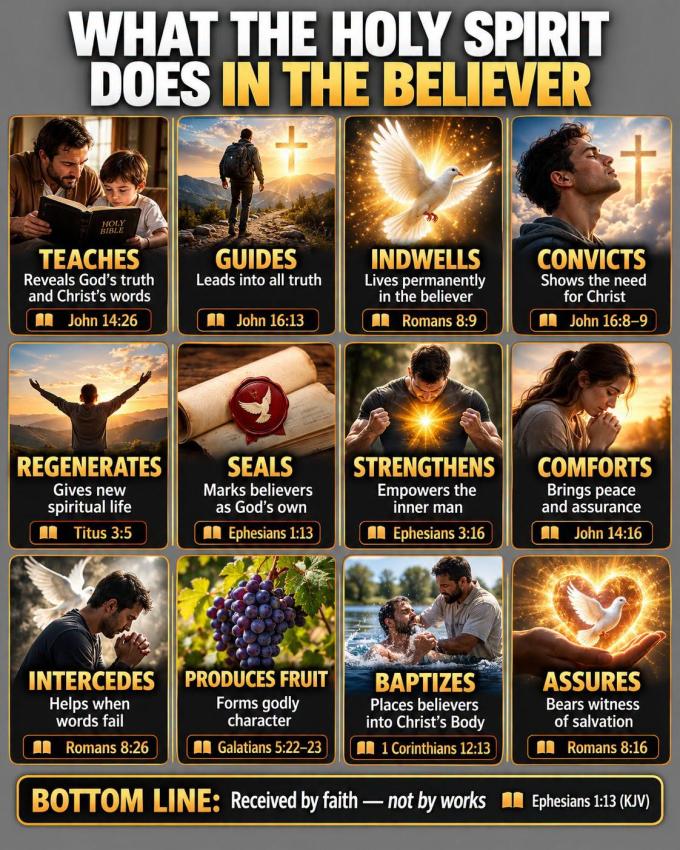

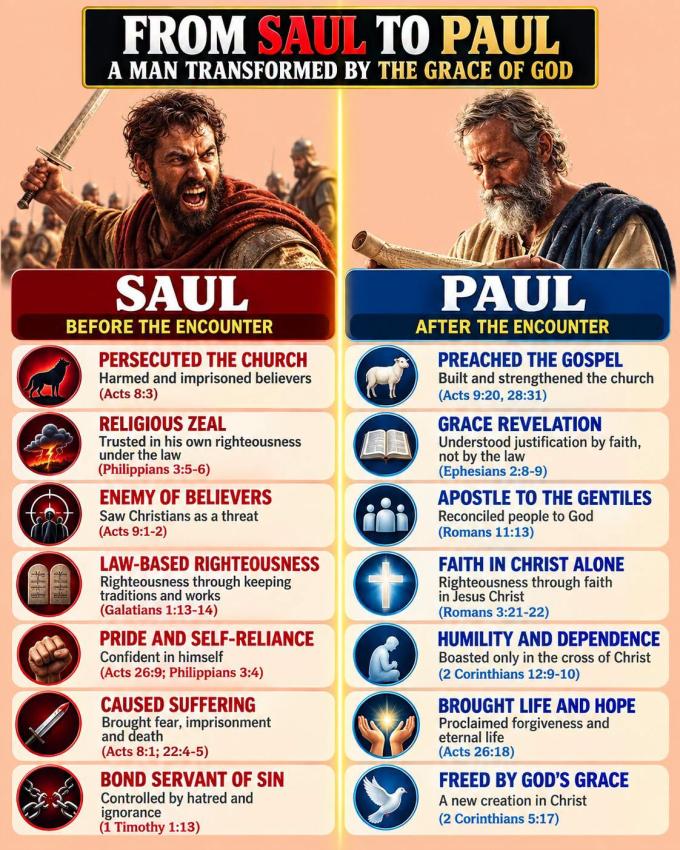
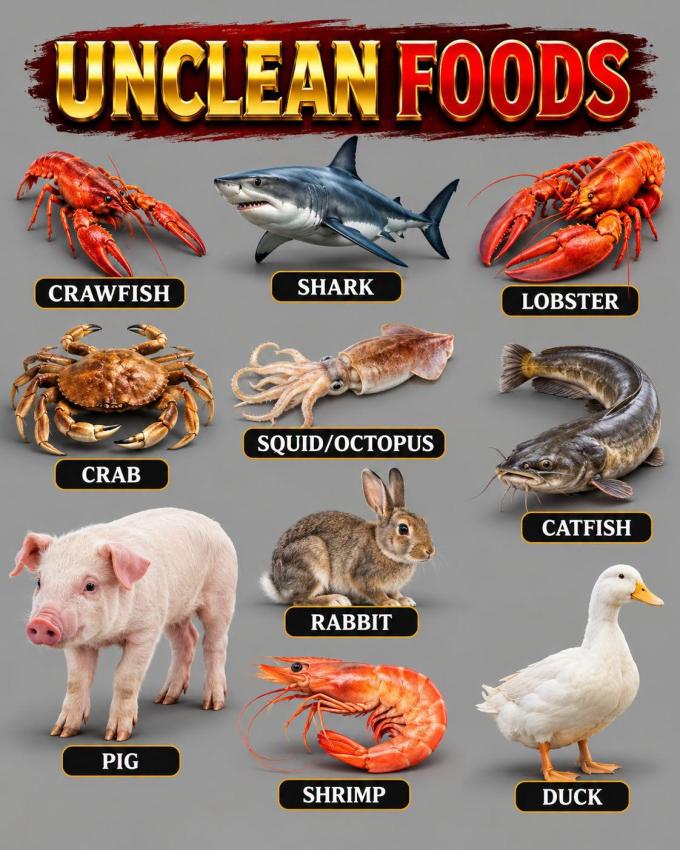


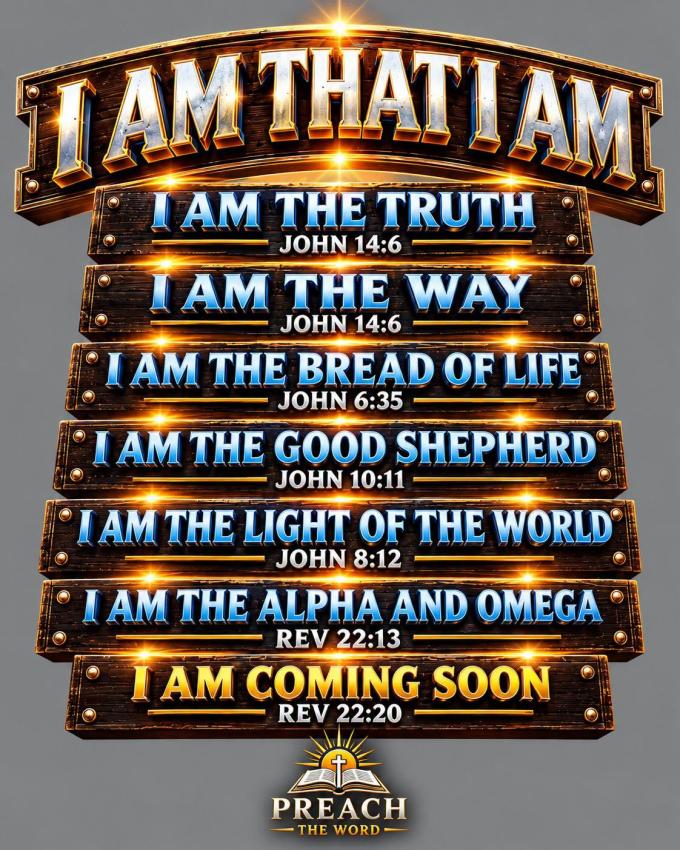
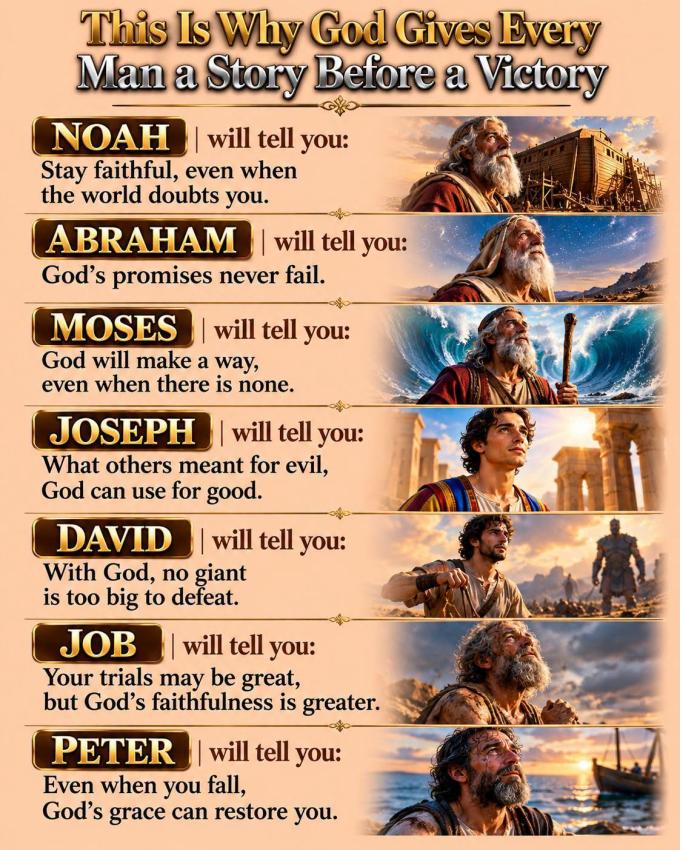



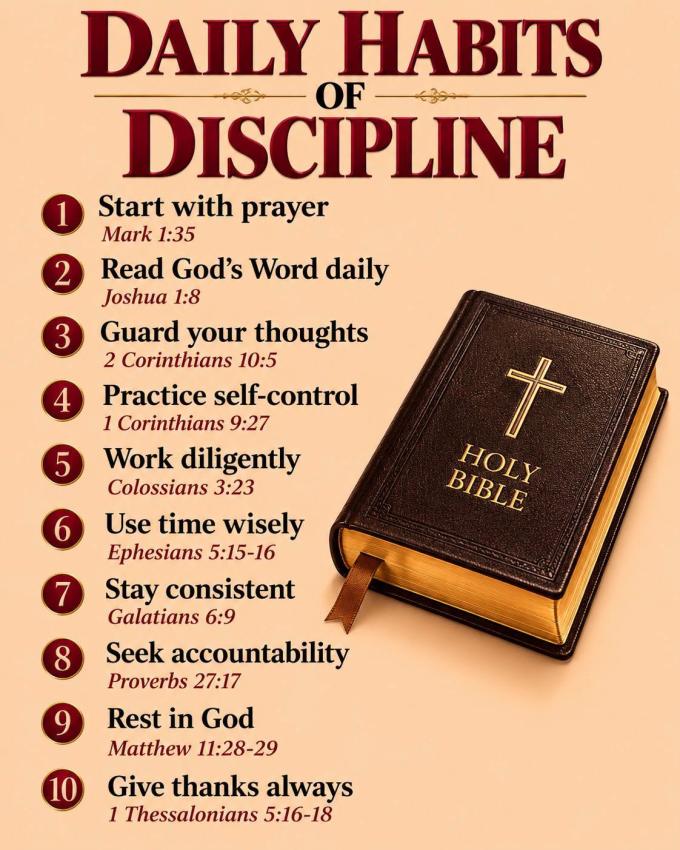
KLT Andrew P Dunar
Priory of St Joan
Act and God will act